
Call us now :08045817028
 Send Inquiry
 Send Inquiry
Amlodipine Besylate Api
Price 10500.0 INR/ Kilograms
MOQ : 20 Kilograms
Amlodipine Besylate Api Specification
- Molecular Formula
- C20H25ClN2O5.C6H6O3S
- Shelf Life
- 36 months
- Boiling point
- Not applicable (decomposes)
- HS Code
- 29420090
- Taste
- Bitter
- Structural Formula
- Refer chemical structure image
- Storage
- Store in a cool, dry place, protected from light
- Poisonous
- Non-poisonous under standard conditions
- Smell
- Odorless
- Melting Point
- 196-203C
- Molecular Weight
- 567.1 g/mol
- EINECS No
- 629-950-1
- Solubility
- Freely soluble in methanol; slightly soluble in water
- Loss on Drying
- 0.5%
- Color
- White to off-white
- Ph Level
- 5.0 7.0 (1% aqueous solution)
- Particle Size
- D90 < 10 micron
- Heavy Metal (%)
- 0.001%
- Medicine Name
- Amlodipine Besylate API
- Chemical Name
- 2-[(2-Aminoethoxy)methyl]-4-(2-chlorophenyl)-1,4-dihydro-6-methyl-3,5-pyridine dicarboxylate monobenzenesulfonate
- CAS No
- 111470-99-6
- Type
- Active Pharmaceutical Ingredient (API)
- Grade
- Pharmaceutical Grade
- Usage
- Used as an antihypertensive, calcium channel blocker, and for treatment of angina
- Purity(%)
- 99%
- Appearance
- White to off-white powder
- Physical Form
- Solid
- Assay (on dried basis)
- >99.0%
- Microbial Limit
- Complies with pharmacopeial standards
- Identification Tests
- Complies with USP/Ph. Eur. standards
- Packing
- Double polyethylene bags in fiber drums (25 kg net)
- Note
- For pharmaceutical manufacturing use only, not for direct human consumption
- Manufacturing Standard
- GMP Certified Facility
- Related Substances
- Total impurities 0.3%
- Specific Rotation
- -1.0 to +1.0 (in methanol)
- Residue on Ignition
- 0.1%
Amlodipine Besylate Api Trade Information
- Minimum Order Quantity
- 20 Kilograms
- Supply Ability
- 100 Kilograms Per Day
- Delivery Time
- 7 Days
- Sample Available
- No
- Sample Policy
- Contact us for information regarding our sample policy
About Amlodipine Besylate Api
| Molar Mass |
|
| Molecular Formula |
|
| Boiling Point |
|
| india |
|
| CAS Number |
|
| Grade |
|
| Minimum Order Quantity |
|
- Molecular formula:C20H25ClN2O5,C6H6O3S
- Molecular weight:567.10
- CAS Number:111470-99-6
- Application:Antihypertensive
- Specification:As per IP/BP/EP/USP
Amlodipine benzenesulfonate is the benzenesulfonate salt of amlodipine. It has a role as a vasodilator agent, a calcium channel blocker and an antihypertensive agent. It contains an amlodipine.
Amlodipine Besylate is the besylate salt of amlodipine,a syntheticdihydropyridine with antihypertensive and antianginal effects.Amlodipineinhibits the influx of extracellularcalciumions into myocardial and peripheral vascular smooth muscle cells, thereby preventing vascular and myocardial contraction. This results in a dilatation of the main coronary and systemic arteries, decreased myocardial contractility, increased blood flow andoxygendelivery to the myocardial tissue, and decreased total peripheral resistance. This agent may also modulate multi-drug resistance (MDR) activity through inhibition of the p-glycoprotein efflux pump.
High-Quality Manufacturing Standards
Manufactured in a GMP-certified facility, Amlodipine Besylate API meets rigorous international pharmaceutical standards. Each batch undergoes comprehensive quality control checks including strict assays, microbial limits, and impurity profiling to ensure complete compliance with both USP and Ph. Eur. requirements.
Physicochemical Properties Designed for Stability
The API features a specific rotation of -1.0 to +1.0 in methanol and exhibits a particle size distribution (D90 < 10 micron) optimal for tablet and capsule formulations. Freely soluble in methanol and with a controlled pH range of 5.07.0, it maintains stability and compatibility during pharmaceutical processing.
Packaging and Storage for Maximum Shelf Life
Supplied in robust fiber drums lined with double polyethylene bags, the product is protected during transport and storage. For best results, store Amlodipine Besylate API in a cool, dry, and light-protected environment to ensure its quality over the 36-month shelf life.
FAQs of Amlodipine Besylate Api:
Q: How should Amlodipine Besylate API be stored to guarantee stability over its shelf life?
A: Amlodipine Besylate API should be stored in a cool, dry place, away from light, in its original double polyethylene bags within fiber drums. Proper storage maintains its quality and ensures a shelf life of up to 36 months.Q: What process ensures the compliance of Amlodipine Besylate API with pharmacopeial standards?
A: Each batch of Amlodipine Besylate API undergoes thorough quality testing for assay, impurity levels, identification, and microbial limits, in accordance with USP and Ph. Eur. standards, within a GMP-certified manufacturing facility.Q: When is Amlodipine Besylate API typically used in pharmaceutical manufacturing?
A: Amlodipine Besylate API is utilized during the formulation and production stage of antihypertensive and antianginal medications, where its high purity and physicochemical properties contribute to the consistent performance of the final product.Q: Where does the manufacturing and supply of this API occur?
A: Amlodipine Besylate API is manufactured, exported, and supplied from India by GMP-certified facilities that adhere to international regulatory standards for pharmaceutical ingredients.Q: What are the main benefits of using this API in medicine production?
A: Its high purity (99%), low levels of impurities (0.3%), and excellent micro and physicochemical control provide consistent efficacy and safety in finished pharmaceutical formulations, ensuring reliability for manufacturers and healthcare providers.Q: How does the physical form and solubility of Amlodipine Besylate API enhance its application?
A: The white to off-white powder, with a fine particle size (D90 < 10 micron) and high solubility in methanol, allows for homogeneous mixing and ease of processing during large-scale pharmaceutical manufacturing.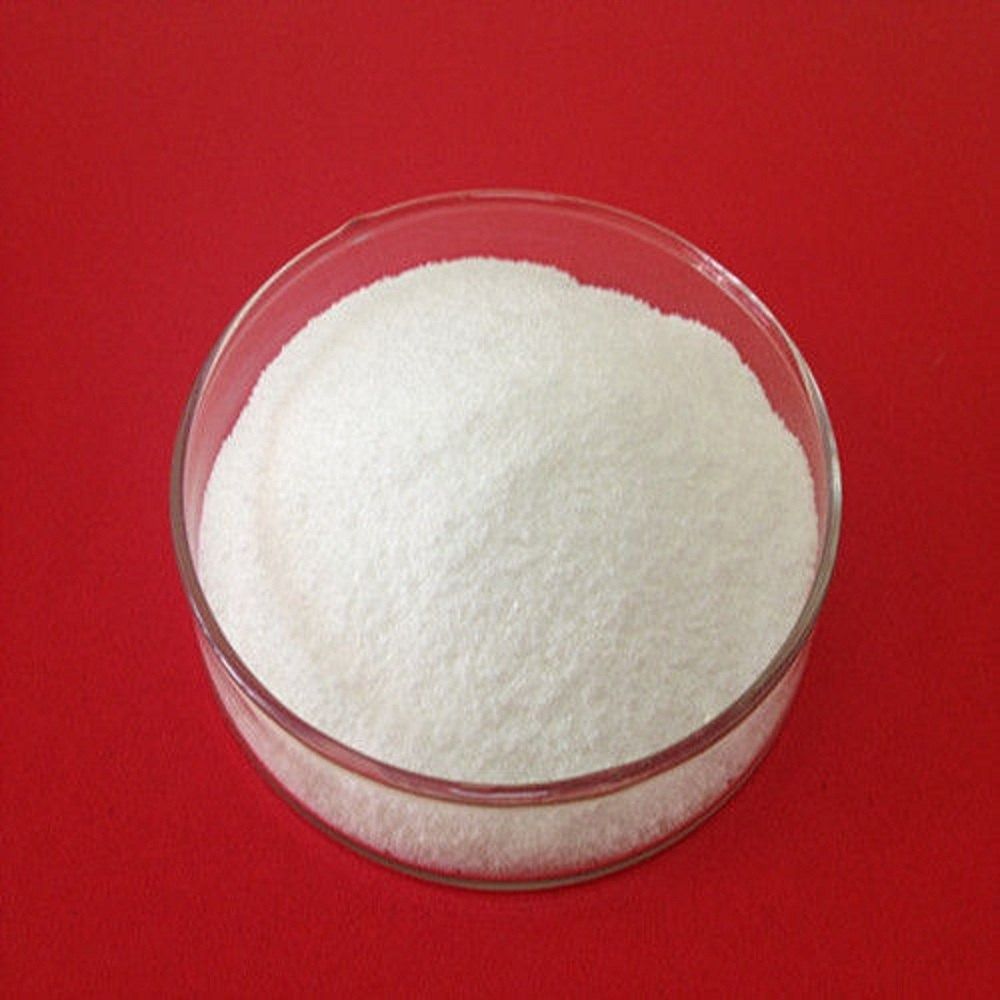
Tell us about your requirement

Price:
Quantity
Select Unit
- 50
- 100
- 200
- 250
- 500
- 1000+
Additional detail
Mobile number
Email

More Products in Active Pharmaceutical Ingredients Category
Omega 3 Fatty Acid Powder
Price 1100.0 INR / Kilometer
Minimum Order Quantity : 1000 Kilograms
HS Code : 21069099
Grade : Other, Food Grade / Pharma Grade
Molecular Formula : C22H34O2 (DHA), C20H30O2 (EPA)
Physical Form : Powder
Itraconazole Api Powder
Price 8500.0 INR / Piece
Minimum Order Quantity : 100 Pieces
HS Code : 29420090
Grade : Other, Pharmaceutical Grade
Molecular Formula : C35H38Cl2N8O4
Physical Form : Powder
Testo-sterone Enanthate Api
Price 30000.0 INR
Minimum Order Quantity : 50
HS Code : 29372300
Grade : Other, Pharmaceutical Grade
Molecular Formula : C26H40O3
Physical Form : Solid

Quetiapine Fumarate API
Price 3500.0 INR / Kilograms
Minimum Order Quantity : 100 Kilograms
HS Code : 29333990
Grade : Other, Pharmaceutical Grade
Molecular Formula : C21H25N3O2S.C4H4O4
Physical Form : Powder

We Mainly Deal in International Market

 Send Inquiry
Our Products
- Pharmaceutical Injection
- Pharmaceutical Tablets
- Active Pharmaceutical Ingredients
- Organic Peanuts
- Rice
- Frozen Vegetables
- Fresh Fruits
- Animal Feed
- Indian Spices
- Beans
- Cooking Oil
- Fresh Vegetables
- Grain And Cereals
- Fertilizers
- Textile Chemicals
- Dairy Food
- Fruits Pulp
- Flour
- Pearl Millet
- Corn
- Bentonite Granules
- Pharmaceutical Capsules
- Pharmaceutical Cream And Lotion
- Pharmaceutical Syrup
- Pharmaceutical Eye/Ear Drops
- Anticancer (Oncology) Medicine
- Anti HIV
- Pharmaceutical Chemical
- Veterinary
- Ayurvedic
- Nutraceuticals
- Surgical

418, Sky View, Sarthana Kamrej Main Road, Sarthana, Surat - 395006, Gujarat, India

Mr Piyush Patel
(Owner)
Mobile :08045817028
 Send Inquiry
 Send SMS
Developed and Managed by Infocom Network Private Limited.
