
Call us now :08045817028
 Send Inquiry
 Send Inquiry
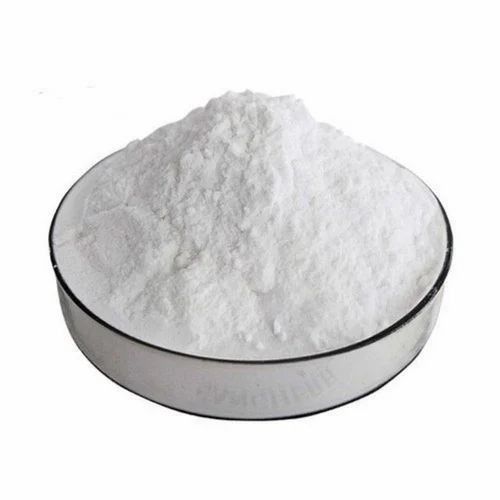
Glimepiride Api Powder
Price 28600.0 INR/ Piece
MOQ : 10 Pieces
Glimepiride Api Powder Specification
- Solubility
- Practically insoluble in water; soluble in methanol, slightly soluble in ethanol
- Poisonous
- No (When used as specified)
- Structural Formula
- C24H34N4O5S
- Heavy Metal (%)
- 0.001%
- HS Code
- 29420090
- Taste
- Tasteless
- Storage
- Store in a tightly closed container, protected from light, moisture, and excessive heat
- Boiling point
- Not available (decomposes)
- Shelf Life
- 3 years from manufacturing date
- Molecular Weight
- 490.62 g/mol
- Molecular Formula
- C24H34N4O5S
- Color
- White to off-white
- Smell
- Odorless
- Particle Size
- D90 < 25 microns
- Ph Level
- 4.5 6.5 (1% solution)
- Loss on Drying
- 0.5%
- Melting Point
- 207-209C
- EINECS No
- 405-769-7
- Medicine Name
- Glimepiride Api Powder
- Chemical Name
- Glimepiride
- CAS No
- 93479-97-1
- Type
- API (Active Pharmaceutical Ingredient)
- Grade
- Pharmaceutical Grade
- Usage
- Used as an antidiabetic agent in the treatment of type 2 diabetes mellitus
- Purity(%)
- >99%
- Appearance
- White to off-white crystalline powder
- Physical Form
- Powder
- Specific Optical Rotation
- +125 to +135 (c=0.5 in DMF)
- Identification
- Complies to standard USP/BP requirements
- Packing
- Packed in double LDPE bags inside HDPE drums
- Related Substances
- Maximum single impurity: 0.1%, Total impurities: 0.3%
- Manufacturing Standard
- Manufactured under GMP compliance
- Microbial Limit
- Total aerobic microbial count: 100 CFU/g; Total yeast & mould count: 50 CFU/g
- Residue on Ignition
- 0.1%
Glimepiride Api Powder Trade Information
- Minimum Order Quantity
- 10 Pieces
- Supply Ability
- 100 Pieces Per Day
- Delivery Time
- 7 Days
- Sample Available
- No
- Sample Policy
- Contact us for information regarding our sample policy
About Glimepiride Api Powder
Product Specification
| CAS Number | 93479-97-1 |
| Formula: C24H34N4O5S | C24H34N4O5S |
| Purity | 99 % |
| Treatment | Treat high blood sugar levels caused by type 2 diabetes |
| GRADE | IP/BP/USP |
| Minimum Order Quantity | 20 Kg |
Product Description
| packing type |
drum |
It lowers blood sugar by stimulating the release of insulin by pancreatic beta cells and by inducing increased activity of intracellular insulin receptors.Exports To:iGeorgia | Palestinian National Authority | Latvia | Japan | Iraq
Additional Information
| Delivery Time | week |
| Production Capacity | 2500 |
| Packaging Details | 1kg to 25 kg |
Exceptional Purity and Quality Assurance
Glimepiride API Powder offers a purity greater than 99%, meeting rigorous USP/BP standards for pharmaceuticals. With strictly limited impurities and tight microbial controls, it ensures a safe and reliable product suitable for critical pharmaceutical formulation. Regular quality reviews and adherence to GMP guidelines underpin its consistent performance.
Efficiently Packed and Safe for Global Shipment
Our Glimepiride API Powder is carefully packed in double-layer LDPE bags fitted inside robust HDPE drums. This protective packaging maintains the product's stability by shielding it from moisture, light, and contamination, ensuring it arrives safely and intact for use by global suppliers, manufacturers, and importers.
Optimized for Specialized Pharmaceutical Use
Designed specifically for pharmaceutical manufacturing, Glimepiride API Powder is mainly used as an active antidiabetic ingredient. Its precise particle size and dependable chemical properties streamline production processes and enhance medication quality for patients managing type 2 diabetes.
FAQ's of Glimepiride Api Powder:
Q: How is the purity and quality of Glimepiride API Powder ensured?
A: Glimepiride API Powder is manufactured under stringent GMP (Good Manufacturing Practice) compliance, with purity exceeding 99%. The product conforms to USP/BP standards, with single and total impurities kept below 0.1% and 0.3%, respectively, and undergoes thorough quality testing for microbial limits and other key parameters.Q: What is the recommended process for storing Glimepiride API Powder?
A: To maintain its stability, Glimepiride API Powder should be stored in a tightly closed container, away from light, moisture, and excessive heat. The original double LDPE bags inside HDPE drums provide optimal protection during storage.Q: When should Glimepiride API Powder be used in pharmaceutical production?
A: Glimepiride API Powder is suitable for use in the formulation of antidiabetic medications at any production phase where the incorporation of an active pharmaceutical ingredient (API) is required. It is typically integrated during the active ingredient blending process of oral antidiabetic drug manufacturing.Q: Where is the Glimepiride API Powder manufactured and supplied from?
A: Our Glimepiride API Powder is produced in India by GMP-certified facilities and is available for export, import, and local supply. The secure packaging facilitates safe transport to both domestic and international pharmaceutical manufacturers.Q: What are the key benefits of using Glimepiride API Powder in drug formulations?
A: The high purity, low impurity profile, and strict microbial limits of Glimepiride API Powder ensure the safety and effectiveness of the final medication. Its consistent quality and compliance with pharmacopoeial standards make it an ideal choice for producing safe treatments for type 2 diabetes mellitus.Q: How is the physical integrity of the powder ensured during shipping?
A: Glimepiride API Powder is packed in double LDPE bags, sealed within HDPE drums, which protect it from contamination, environmental factors, and damage during transit, ensuring the product maintains its quality upon delivery.
Tell us about your requirement

Price:
Quantity
Select Unit
- 50
- 100
- 200
- 250
- 500
- 1000+
Additional detail
Mobile number
Email

More Products in Active Pharmaceutical Ingredients Category
Guaifenesin API
Price 700.0 INR / Kilograms
Minimum Order Quantity : 1000 Kilograms
Melting Point : 7779C
CAS No : 93141
Type : Other, Active Pharmaceutical Ingredient (API)
Loss on Drying : 0.5%
Ibuprofen Api Powder
Price 1000.0 INR / Kilograms
Minimum Order Quantity : 100 Kilograms
Melting Point : 7578C
CAS No : 15687271
Type : Other, Active Pharmaceutical Ingredient (API)
Loss on Drying : 0.5%
Itraconazole Api Powder
Price 8500.0 INR / Piece
Minimum Order Quantity : 100 Pieces
Melting Point : 166170C
CAS No : 84625616
Type : Other, Antifungal Agent
Loss on Drying : Not more than 0.5%
Telmisartan Powder API
Price 3000.0 INR / Kilograms
Minimum Order Quantity : 100 Kilograms
Melting Point : > 240C
CAS No : 144701484
Type : Other, Active Pharmaceutical Ingredient
Loss on Drying : <0.5%

We Mainly Deal in International Market

 Send Inquiry
Our Products
- Pharmaceutical Injection
- Pharmaceutical Tablets
- Active Pharmaceutical Ingredients
- Organic Peanuts
- Rice
- Frozen Vegetables
- Fresh Fruits
- Animal Feed
- Indian Spices
- Beans
- Cooking Oil
- Fresh Vegetables
- Grain And Cereals
- Fertilizers
- Textile Chemicals
- Dairy Food
- Fruits Pulp
- Flour
- Pearl Millet
- Corn
- Bentonite Granules
- Pharmaceutical Capsules
- Pharmaceutical Cream And Lotion
- Pharmaceutical Syrup
- Pharmaceutical Eye/Ear Drops
- Anticancer (Oncology) Medicine
- Anti HIV
- Pharmaceutical Chemical
- Veterinary
- Ayurvedic
- Nutraceuticals
- Surgical

418, Sky View, Sarthana Kamrej Main Road, Sarthana, Surat - 395006, Gujarat, India

Mr Piyush Patel
(Owner)
Mobile :08045817028
 Send Inquiry
 Send SMS
Developed and Managed by Infocom Network Private Limited.
