
Call us now :08045817028
 Send Inquiry
 Send Inquiry
Justin Diclofenac Sodium Suppositories Injection, 100 mg
Justin Diclofenac Sodium Suppositories Injection, 100 mg Specification
- Origin of Medicine
- Allopathic
- Indication
- Rheumatoid arthritis, osteoarthritis, postoperative pain, musculoskeletal pain, and inflammation
- Salt Composition
- Diclofenac Sodium 100 mg
- Pacakaging (Quantity Per Box)
- 5 or 10 suppositories per box
- Dosage Form
- Suppository
- Drug Type
- NSAID; prescription medication
- Ingredients
- Diclofenac Sodium
- Physical Form
- Suppository
- Function
- Non-steroidal anti-inflammatory drug (NSAID), analgesic, antipyretic
- Recommended For
- Adults and adolescents for the treatment of pain and inflammation
- Dosage
- 100 mg per suppository
- Dosage Guidelines
- Insert one suppository rectally once daily or as directed by physician
- Suitable For
- Adults and adolescents
- Quantity
- Varies; commonly 5 or 10 suppositories per box
- Storage Instructions
- Store in a cool and dry place below 25C, protect from light and moisture
- Side Effects
- May include rectal irritation, abdominal pain, nausea, and rarely allergic reactions
- Prescription Status
- Prescription only
- Route of Administration
- Rectal
- Contraindications
- Hypersensitivity to diclofenac, active gastrointestinal bleeding or ulcer, severe hepatic or renal impairment
- Appearance
- Solid, bullet-shaped suppositories
- Brand Name
- Justin
- Colour
- White or off-white
- Box Container Material
- Plastic or aluminium strips in carton box
- Shelf Life
- 2-3 years from manufacturing date
Justin Diclofenac Sodium Suppositories Injection, 100 mg Trade Information
- Supply Ability
- 1000 Per Day
- Delivery Time
- 7 Days
- Sample Available
- No
- Sample Policy
- Contact us for information regarding our sample policy
About Justin Diclofenac Sodium Suppositories Injection, 100 mg
| Strength |
|
| Manufacturer |
|
| Composition |
|
| Shelf Life |
|
| Usage |
|
| Item Name |
|
| Storage |
|
| Pack Type |
|
Effective Relief for Pain and Inflammation
Justin Diclofenac Sodium Suppositories deliver reliable analgesic, anti-inflammatory, and antipyretic action for adults and adolescents suffering from painful conditions. By utilizing the rectal route, they bypass the gastrointestinal tract, making them a practical solution for those unable to take oral medications. The formulation allows for steady absorption and provides comfort for rheumatoid arthritis, osteoarthritis, and postoperative pain management.
User-Friendly Dosage and Administration
Each suppository contains a precise 100 mg dose of Diclofenac Sodium, ensuring consistent therapeutic results. The bullet-shaped design allows for ease of insertion and optimal absorption. Typically, one suppository is inserted rectally once daily or as instructed by a healthcare provider. These suppositories come conveniently packaged in boxes of 5 or 10, meeting varying treatment requirements.
Safe Storage and Long Shelf Life
Justin suppositories are packaged to protect against moisture and light, extending their shelf life to 2-3 years from the manufacturing date. Users should store the medication in a cool, dry place below 25C and use it only under medical supervision. The robust packaging keeps the suppositories intact while ensuring convenience for export, import, and supply.
FAQ's of Justin Diclofenac Sodium Suppositories Injection, 100 mg:
Q: How should Justin Diclofenac Sodium Suppositories be used?
A: Insert one 100 mg suppository rectally, once daily or as directed by your physician. Wash your hands before and after use, and follow your healthcare provider's instructions closely.Q: What conditions are Justin Diclofenac Sodium Suppositories recommended for?
A: These suppositories are prescribed for pain and inflammation associated with rheumatoid arthritis, osteoarthritis, postoperative pain, and other musculoskeletal conditions in adults and adolescents.Q: When is Justin Diclofenac Sodium Suppository most beneficial?
A: It is most beneficial when oral NSAID medications cannot be used or tolerated, providing effective relief from pain and inflammation through rectal administration.Q: Where should Justin suppositories be stored?
A: Store the suppositories in a cool, dry place below 25C, protected from light and moisture, and keep them in their original packaging until use.Q: What side effects can occur with Justin Diclofenac Sodium Suppositories?
A: Possible side effects include rectal irritation, abdominal pain, nausea, and, in rare cases, allergic reactions. If you experience severe symptoms, contact your healthcare provider promptly.Q: Who should avoid using Justin Diclofenac Sodium Suppositories?
A: Individuals with hypersensitivity to diclofenac, active gastrointestinal bleeding or ulcers, or severe liver or kidney impairment should not use this medication.Q: What are the benefits of using Justin Diclofenac Sodium Suppositories compared to other forms?
A: The suppository form provides a non-oral administration option, which is beneficial for individuals unable to take oral medication, and helps bypass stomach-related side effects common with oral NSAIDs.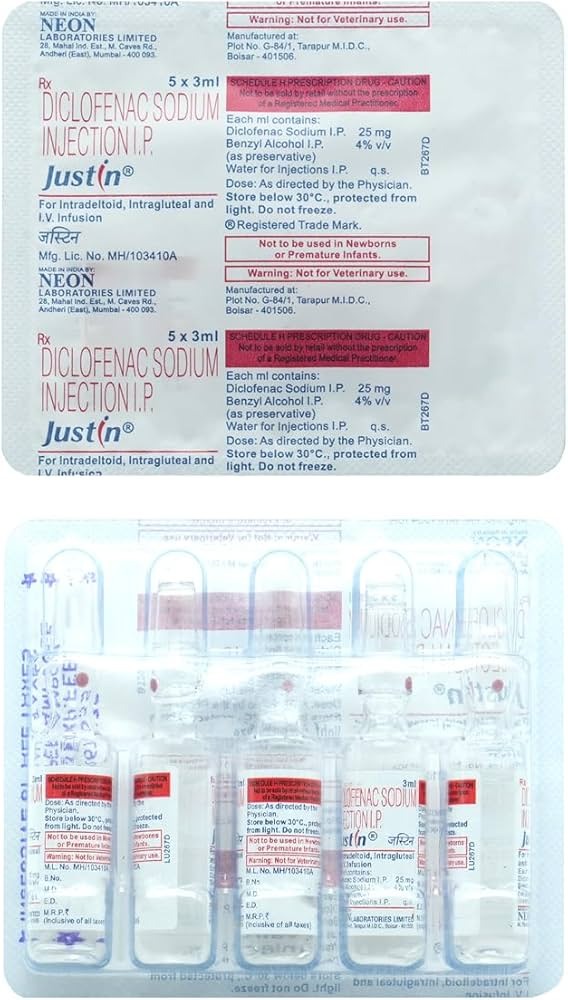
Tell us about your requirement

Price:
Quantity
Select Unit
- 50
- 100
- 200
- 250
- 500
- 1000+
Additional detail
Mobile number
Email

More Products in Pharmaceutical Injection Category
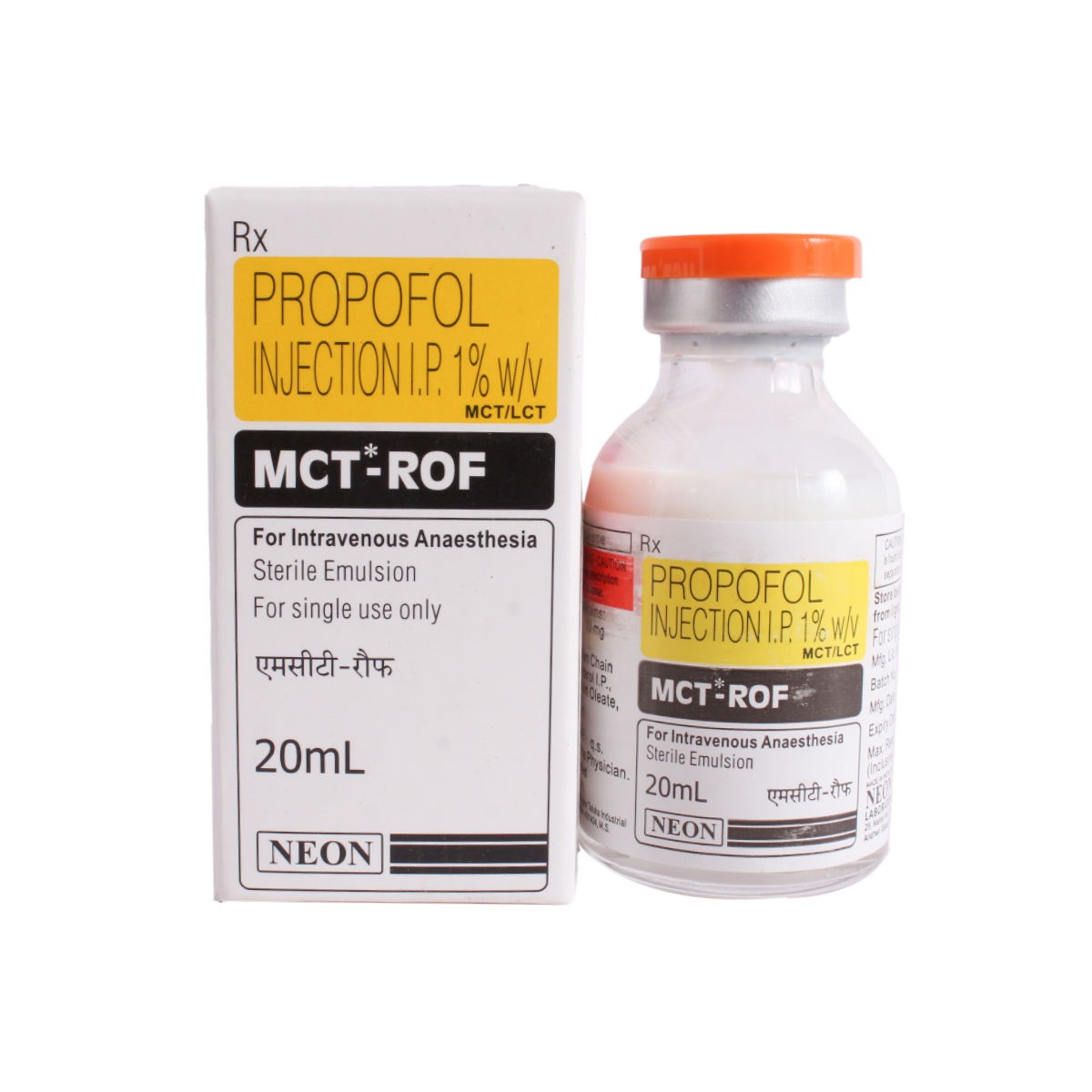
Propo-fol (Mct-Rof 10ML Injection)
Price 190.0 INR
Minimum Order Quantity : 100
Indication : Induction and maintenance of general anesthesia, procedural sedation
Salt Composition : Propofol 1% (10 mg/ml)
Recommended For : Induction and maintenance of general anesthesia, sedation for diagnostic or surgical procedures
Origin of Medicine : India
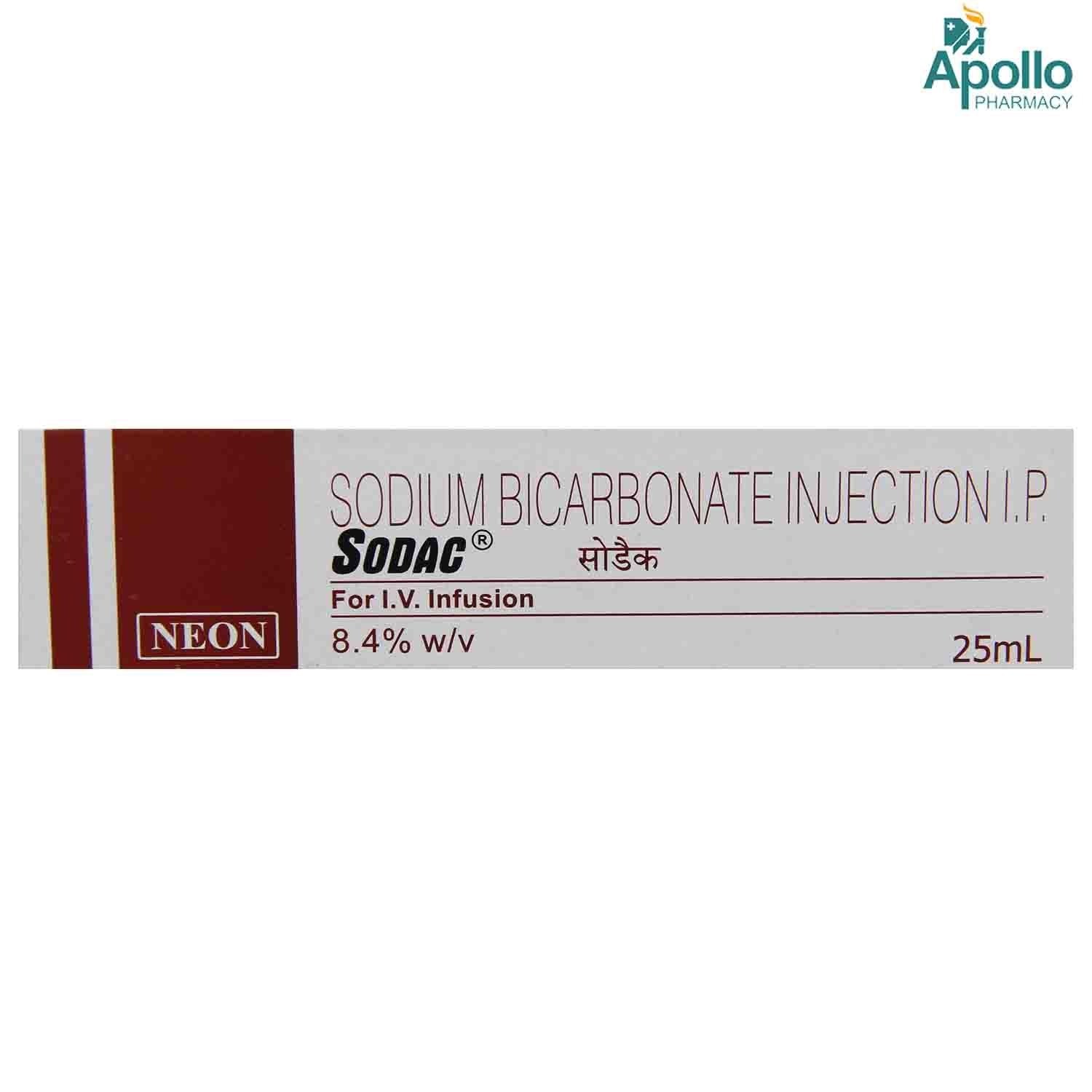
Sodium Bicarbonate (Sodac 25ml)Injection
Price 40.0 INR
Minimum Order Quantity : 100
Indication : Treatment of metabolic acidosis, cardiac arrest, drug intoxications
Salt Composition : Sodium Bicarbonate 7.5% w/v
Recommended For : Electrolyte imbalance, metabolic acidosis, cardiac arrest, management of certain drug intoxications
Origin of Medicine : Allopathic
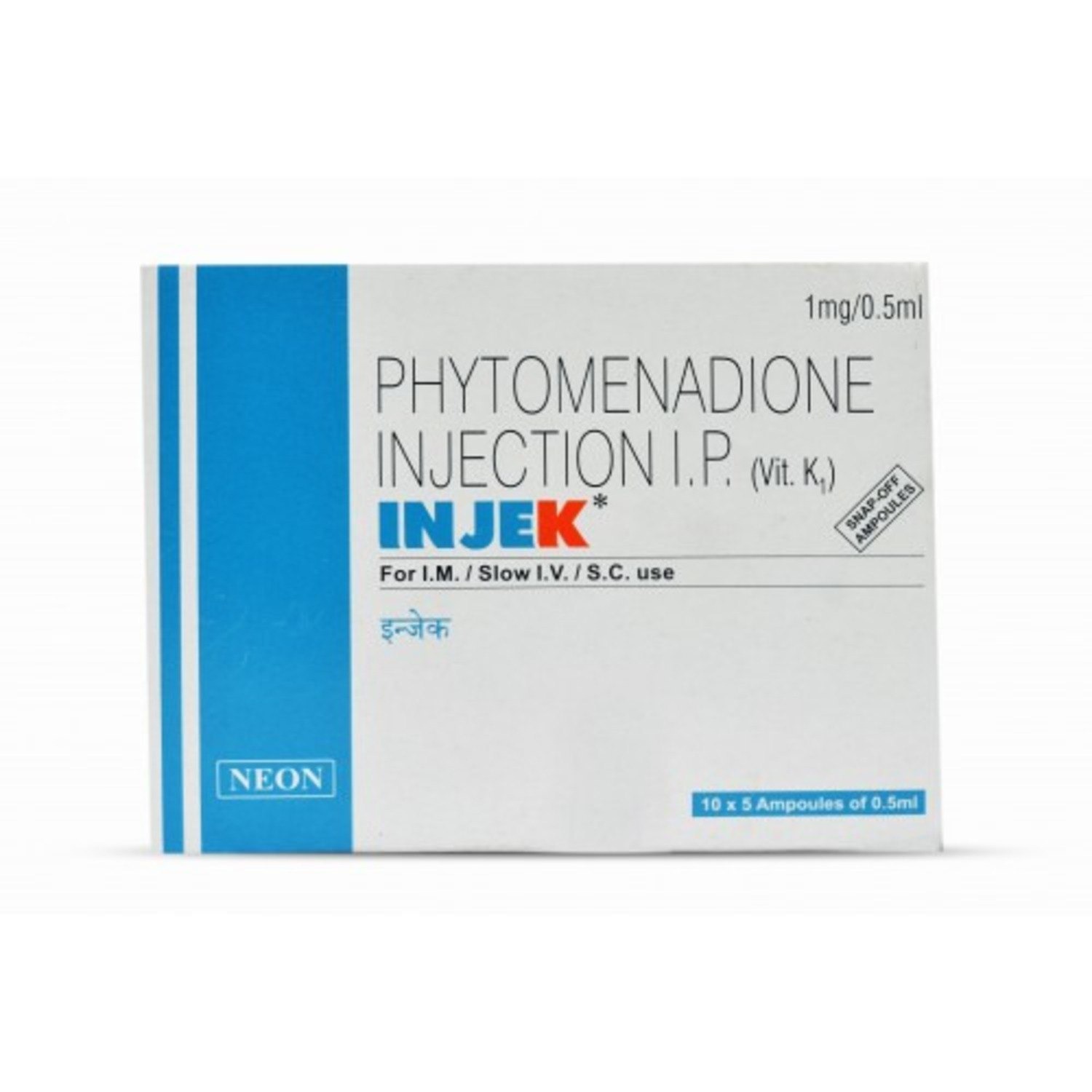
Injek , Phytomenadione Injection, 10 x 5 ml
Price 23.0 INR
Minimum Order Quantity : 1000
Indication : Prevention and treatment of hypoprothrombinaemia caused by vitamin K deficiency
Salt Composition : Phytomenadione 10 mg/5 ml
Recommended For : Patients with vitamin K deficiency or bleeding disorders
Origin of Medicine : Allopathic
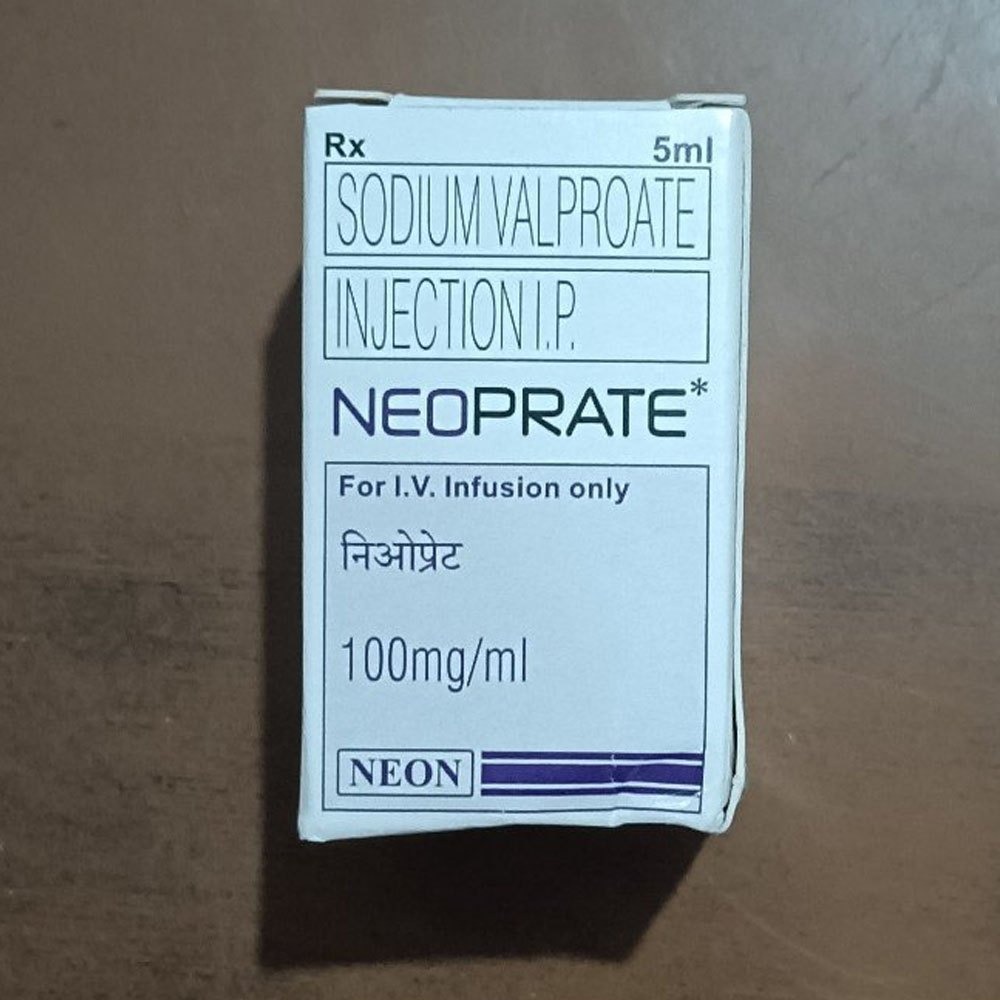
Neoprate Sodium Valproate Injection
Price 40.0 INR
Minimum Order Quantity : 1000
Indication : Epilepsy, status epilepticus, seizures, and acute manic episodes in bipolar disorder
Salt Composition : Sodium Valproate 500 mg/5 ml
Recommended For : Patients with epilepsy, bipolar disorder, and seizures
Origin of Medicine : Allopathic

We Mainly Deal in International Market

 Send Inquiry
Our Products
- Pharmaceutical Injection
- Pharmaceutical Tablets
- Active Pharmaceutical Ingredients
- Organic Peanuts
- Rice
- Frozen Vegetables
- Fresh Fruits
- Animal Feed
- Indian Spices
- Beans
- Cooking Oil
- Fresh Vegetables
- Grain And Cereals
- Fertilizers
- Textile Chemicals
- Dairy Food
- Fruits Pulp
- Flour
- Pearl Millet
- Corn
- Bentonite Granules
- Pharmaceutical Capsules
- Pharmaceutical Cream And Lotion
- Pharmaceutical Syrup
- Pharmaceutical Eye/Ear Drops
- Anticancer (Oncology) Medicine
- Anti HIV
- Pharmaceutical Chemical
- Veterinary
- Ayurvedic
- Nutraceuticals
- Surgical

418, Sky View, Sarthana Kamrej Main Road, Sarthana, Surat - 395006, Gujarat, India

Mr Piyush Patel
(Owner)
Mobile :08045817028
 Send Inquiry
 Send SMS
Developed and Managed by Infocom Network Private Limited.
