
Call us now :08045817028
 Send Inquiry
 Send Inquiry
Liquid Glycopyrrolate 0.2mg inj ( Pyrolate Injection)
Liquid Glycopyrrolate 0.2mg inj ( Pyrolate Injection) Specification
- Origin of Medicine
- Allopathic
- Pacakaging (Quantity Per Box)
- 10 ampoules per box
- Dosage Form
- Injection
- Indication
- Preanesthetic medication, reversal of neuromuscular blockade, treatment of bradycardia
- Salt Composition
- Glycopyrrolate 0.2mg/ml
- Drug Type
- Prescription Injectable
- Ingredients
- Glycopyrrolate 0.2mg
- Physical Form
- Liquid
- Function
- Reduces salivary, respiratory, and gastric secretions
- Recommended For
- Hospital use, Preoperative medication, Anticholinergic support
- Dosage
- As directed by physician
- Dosage Guidelines
- Intravenous or intramuscular use only
- Suitable For
- Adults and children
- Quantity
- 1 ml ampoule
- Storage Instructions
- Store in a cool, dry place; protect from light
- Brand Name
- Pyrolate Injection
- Registration Status
- Rx Only
- Route of Administration
- IV/IM
- Special Precautions
- Use with caution in patients with glaucoma, prostatic hypertrophy, or myasthenia gravis
- Appearance
- Clear, colorless solution
- Shelf Life
- 24 months from manufacture
Liquid Glycopyrrolate 0.2mg inj ( Pyrolate Injection) Trade Information
- Supply Ability
- 1000 Per Day
- Delivery Time
- 7 Days
- Sample Available
- No
- Sample Policy
- Contact us for information regarding our sample policy
About Liquid Glycopyrrolate 0.2mg inj ( Pyrolate Injection)
| Packaging Size |
|
| Brand |
|
| Manufacturer |
|
| Treatment |
|
| Prescription/Non prescription |
|
| Usage/Application |
|
| Composition |
|
| Injectable Form |
|
| Dose |
|
| Medicine Type |
|
How Does Pyrolate Injection Work?
Pyrolate Injection functions as an anticholinergic agent, effectively decreasing salivary, respiratory, and gastric secretions. It is especially valuable prior to surgical procedures to aid airway management and minimize postoperative complications. Its action also facilitates recovery from certain neuromuscular blockades, benefiting both adult and pediatric patients.
When Is Pyrolate Injection Recommended?
This medication is primarily recommended as a preanesthetic to reduce secretions, assist with the reversal of neuromuscular blockade, and treat drug-induced or vagal bradycardia. Pyrolate Injection is strictly for hospital use and should be administered under medical supervision as directed by a physician.
Proper Administration and Storage Guidelines
Pyrolate Injection is administered either intravenously or intramuscularly by healthcare professionals. Each ampoule contains a single 1 ml dose, and dosage should be tailored according to the patient's age and condition. The solution must be stored in a cool, dry place, protected from light, and used before the expiration date.
FAQ's of Liquid Glycopyrrolate 0.2mg inj ( Pyrolate Injection):
Q: How is Pyrolate Injection administered?
A: Pyrolate Injection should be administered either intravenously (IV) or intramuscularly (IM) by qualified healthcare professionals in a hospital setting. The exact dosage and frequency are determined by a physician based on the patient's clinical needs.Q: What are the main benefits of using Pyrolate Injection?
A: Pyrolate Injection reduces excess salivary, respiratory, and gastric secretions, providing effective anticholinergic support during surgery. It also facilitates the reversal of neuromuscular blockade and helps manage episodes of bradycardia, ensuring safer procedural outcomes.Q: When should Pyrolate Injection be used?
A: It is typically used as a preanesthetic medication before surgery, for the reversal of neuromuscular blockade after anesthesia, or to treat bradycardia caused by other drugs or medical conditions. Administration is only recommended in a hospital under physician guidance.Q: Who can receive Pyrolate Injection?
A: Pyrolate Injection is suitable for both adults and children as prescribed by a physician. Special care is necessary for patients with glaucoma, prostatic hypertrophy, or myasthenia gravis, and these conditions should be discussed with the healthcare provider.Q: What precautions should be observed during its use?
A: Use Pyrolate Injection cautiously in patients with glaucoma, prostatic hypertrophy, or myasthenia gravis. Inform the attending physician of any existing medical conditions or concurrent medications before administration.Q: Where should Pyrolate Injection be stored?
A: The ampoules should be kept in a cool, dry area, away from direct light, and within the original packaging. Proper storage maintains the medication's efficacy until the expiry date.Q: What is the shelf life of Pyrolate Injection?
A: Pyrolate Injection remains effective for 24 months from the date of manufacture, provided it is stored correctly according to the labeling instructions.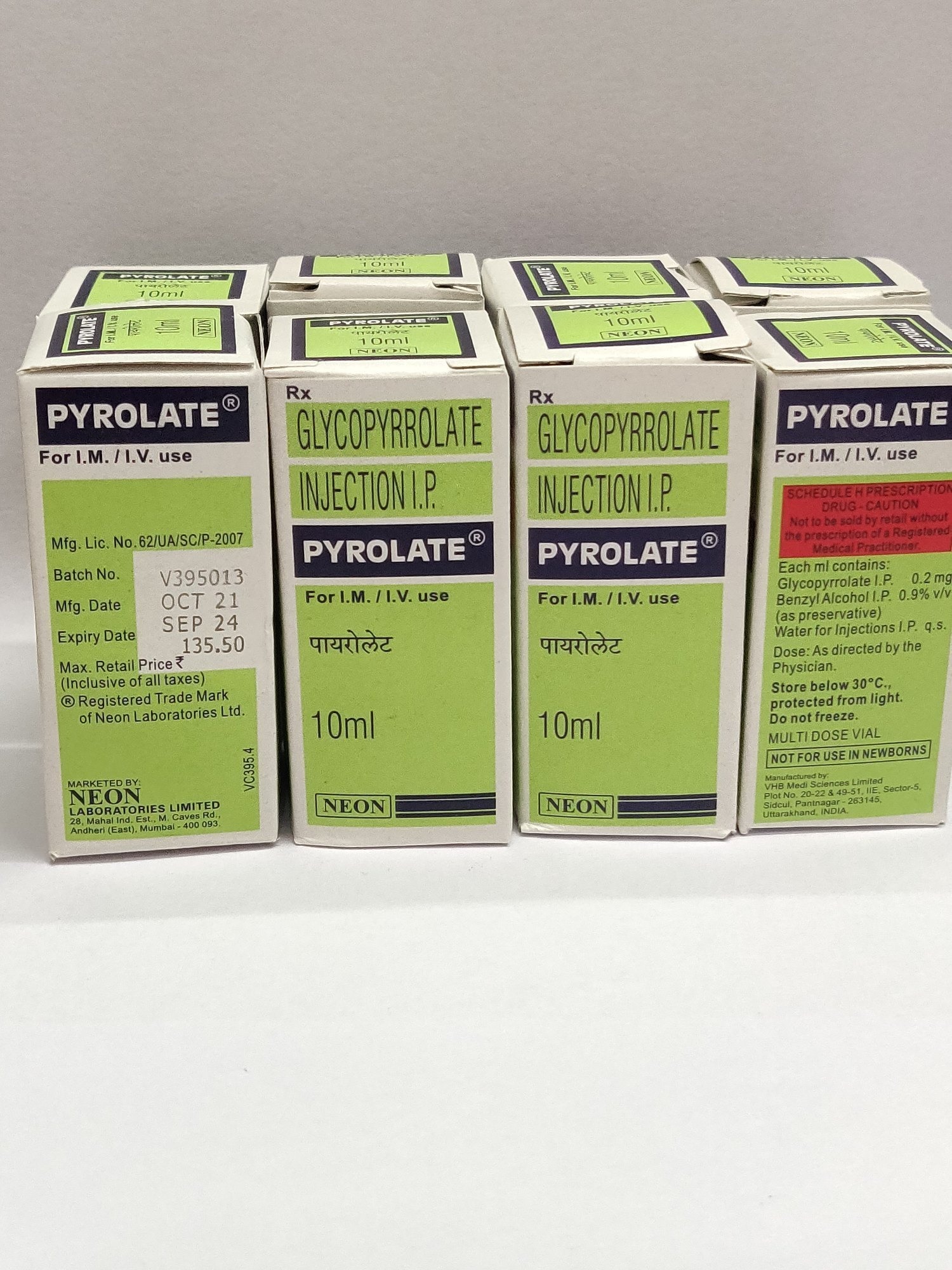
Tell us about your requirement

Price:
Quantity
Select Unit
- 50
- 100
- 200
- 250
- 500
- 1000+
Additional detail
Mobile number
Email

More Products in Pharmaceutical Injection Category
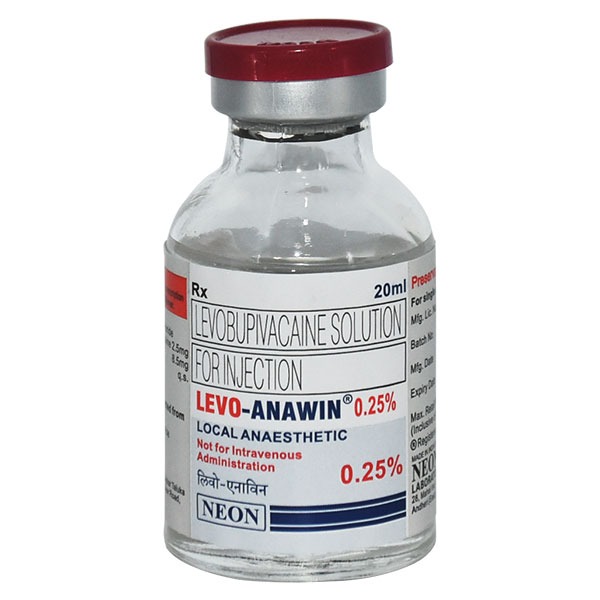
Levo-anawin 0.5% (Levobupivacaine), 20ml
Price 350.0 INR / Piece
Minimum Order Quantity : 100 Pieces
Salt Composition : Levobupivacaine Hydrochloride 0.5%
Physical Form : Other, Injection (solution)
Dosage Form : Injection
Indication : For surgical anesthesia, pain management, and regional nerve blockade
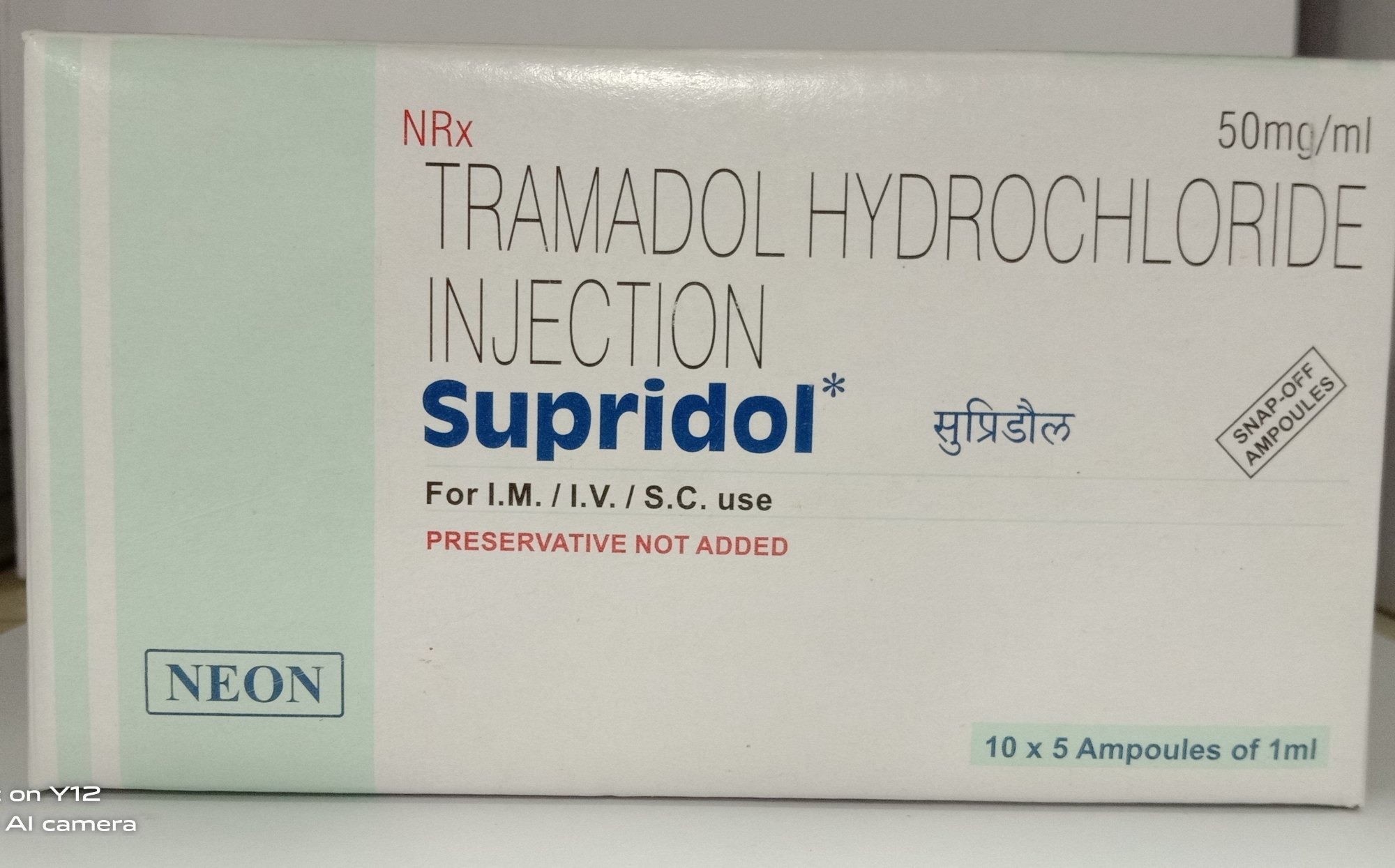
Tranadol Injection
Price 26.0 INR
Minimum Order Quantity : 100
Salt Composition : Tramadol Hydrochloride
Physical Form : Liquid
Dosage Form : Injection
Indication : Moderate to severe pain

Tren-bolone Acetate 100mg, For Increase In Strength
Price 2000.0 INR
Minimum Order Quantity : 20
Salt Composition : Trenbolone Acetate 100mg
Physical Form : Other, Injection
Dosage Form : Liquid injection
Indication : Muscle Strength and Mass Gain
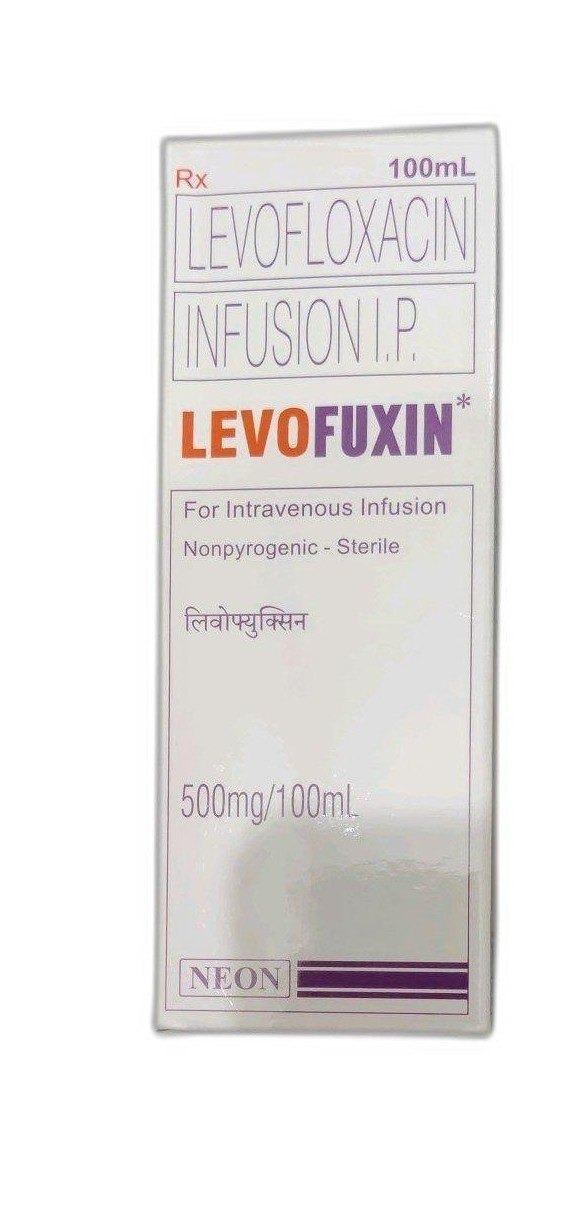
Levofloxacin Infusion IP
Price 108.0 INR
Minimum Order Quantity : 100
Salt Composition : Levofloxacin 500 mg per 100 ml
Physical Form : Liquid
Dosage Form : Infusion
Indication : Used for respiratory, urinary tract, skin, and soft tissue infections

We Mainly Deal in International Market

 Send Inquiry
Our Products
- Pharmaceutical Injection
- Pharmaceutical Tablets
- Active Pharmaceutical Ingredients
- Organic Peanuts
- Rice
- Frozen Vegetables
- Fresh Fruits
- Animal Feed
- Indian Spices
- Beans
- Cooking Oil
- Fresh Vegetables
- Grain And Cereals
- Fertilizers
- Textile Chemicals
- Dairy Food
- Fruits Pulp
- Flour
- Pearl Millet
- Corn
- Bentonite Granules
- Pharmaceutical Capsules
- Pharmaceutical Cream And Lotion
- Pharmaceutical Syrup
- Pharmaceutical Eye/Ear Drops
- Anticancer (Oncology) Medicine
- Anti HIV
- Pharmaceutical Chemical
- Veterinary
- Ayurvedic
- Nutraceuticals
- Surgical

418, Sky View, Sarthana Kamrej Main Road, Sarthana, Surat - 395006, Gujarat, India

Mr Piyush Patel
(Owner)
Mobile :08045817028
 Send Inquiry
 Send SMS
Developed and Managed by Infocom Network Private Limited.
