
Call us now :08045817028
 Send Inquiry
 Send Inquiry
Milrineon Lactate( Milrineon 10 mg Injection)
Milrineon Lactate( Milrineon 10 mg Injection) Specification
- Origin of Medicine
- Allopathic
- Dosage Form
- Injection
- Salt Composition
- Milrinone Lactate 10 mg
- Indication
- Acute heart failure; heart failure not responding to conventional therapy
- Pacakaging (Quantity Per Box)
- Typically 1 or 5 vials per box
- Drug Type
- Cardiac Inotrope
- Ingredients
- Milrinone Lactate
- Physical Form
- Liquid; sterile aqueous solution
- Function
- Increases myocardial contractility and vasodilation
- Recommended For
- Patients with congestive heart failure; short-term treatment of acute decompensated heart failure
- Dosage
- As prescribed by physician; commonly 0.375 to 0.75 mcg/kg/min by IV infusion
- Dosage Guidelines
- Administer under medical supervision; intravenous use
- Suitable For
- Adults
- Quantity
- 10 mg per vial
- Storage Instructions
- Store below 25C; protect from light
- Side Effects
- Arrhythmia, hypotension, headache, chest pain
- Therapeutic Class
- Cardiac stimulant, phosphodiesterase-3 inhibitor
- Box/Pack Type
- Glass vial with flip-off seal
- Shelf Life
- 24 months from date of manufacture
- Appearance
- Clear, colorless to pale yellow solution
- Prescription/Non Prescription
- Prescription only
- Route of Administration
- Intravenous (IV)
- Marketed By
- As per box information
Milrineon Lactate( Milrineon 10 mg Injection) Trade Information
- Supply Ability
- 100 Per Day
- Delivery Time
- 7 Days
- Sample Available
- No
- Sample Policy
- Contact us for information regarding our sample policy
About Milrineon Lactate( Milrineon 10 mg Injection)
| Strength |
|
| Pack Size |
|
| Pack Type |
|
| Packaging Type |
|
| Usage/Application |
|
| Brand Name |
|
| Packaging Size |
|
| Manufacturer |
|
| Country of Origin |
|
| Minimum Order Quantity |
|
Therapeutic Benefits and Usage
Milrineon Lactate enhances cardiac contractility while facilitating vasodilation, making it valuable in the management of acute heart failure. Its action helps support patients experiencing severe heart failure episodes who do not respond adequately to conventional treatments. The medication's intravenous route ensures rapid absorption and efficacy during acute situations, providing targeted support to adults in need of cardiac stimulus.
Administration and Dosage Guidelines
This injection is intended exclusively for intravenous use, and the dosage must be determined individually by a physician, commonly ranging from 0.375 to 0.75 mcg/kg/min via continuous infusion. It is crucial that administration occurs in a clinical setting, under strict medical supervision, to monitor efficacy and mitigate potential side effects such as arrhythmia or hypotension. Dosage adjustments depend on patient response and underlying conditions.
Packaging and Storage Information
Each glass vial contains a sterile, colorless to pale yellow solution, supplied in boxes of either 1 or 5 vials. To maintain potency and safety, store Milrineon Lactate below 25C and protect it from light. The medicine has a shelf life of 24 months from the date of manufacture. Packaging includes a flip-off seal for convenient and secure access in hospital or clinical environments.
FAQ's of Milrineon Lactate( Milrineon 10 mg Injection):
Q: How is Milrineon Lactate (Milrineon 10 mg Injection) administered?
A: Milrineon Lactate is administered intravenously by healthcare professionals. The medication must be infused directly into the bloodstream, ensuring rapid onset of action for patients with acute heart failure.Q: What is Milrineon Lactate used for?
A: This injection is recommended for adults suffering from congestive heart failure, particularly during acute decompensated episodes that do not respond to standard therapy. It increases cardiac output and offers short-term stabilization.Q: When should Milrineon Lactate be prescribed?
A: Milrineon Lactate is prescribed during situations where patients with heart failure experience acute decompensation and require urgent intervention beyond conventional therapies. Dosage and duration are determined by the treating physician.Q: Where is Milrineon Lactate typically stored and how does one maintain its quality?
A: The vials should be stored below 25C and protected from light to preserve their efficacy throughout the 24-month shelf life. Hospital and pharmacy storage areas are preferred for optimal conditions.Q: What side effects can occur with Milrineon Lactate Injection?
A: Potential side effects include arrhythmia, hypotension, headache, and chest pain. Patients receiving the injection require monitoring for these adverse events by medical personnel.Q: How does Milrineon Lactate benefit patients with heart failure?
A: Milrineon Lactate improves cardiac contractility and causes vasodilation, which helps increase cardiac output and relieves symptoms of acute heart failure, delivering short-term support and stabilization when needed.Q: What is the process for using Milrineon Lactate safely?
A: Usage involves intravenous infusion under strict medical supervision. Dosage is tailored to the individual, based on weight and clinical response, and ongoing monitoring is necessary to adjust therapy and avoid complications.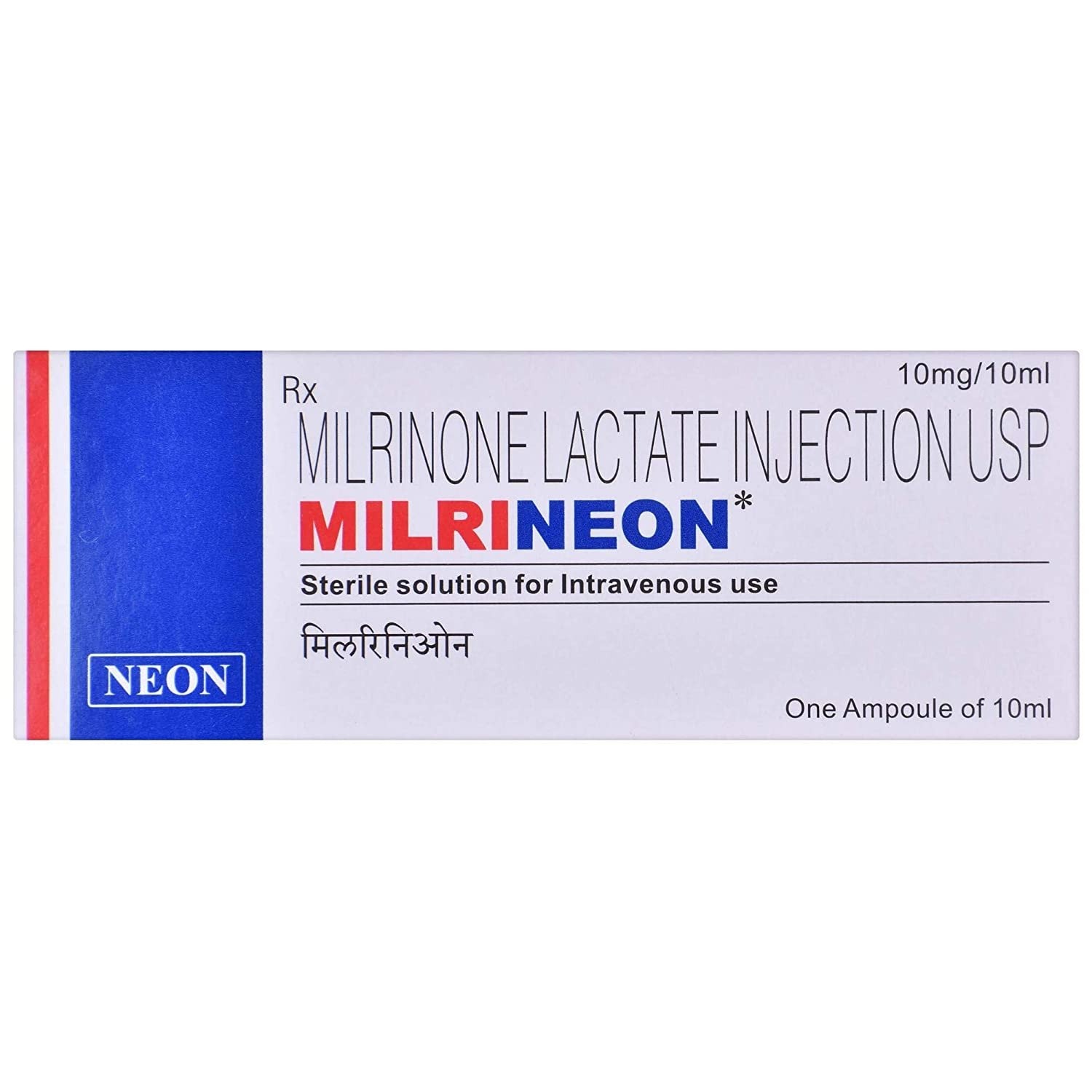
Tell us about your requirement

Price:
Quantity
Select Unit
- 50
- 100
- 200
- 250
- 500
- 1000+
Additional detail
Mobile number
Email

More Products in Pharmaceutical Injection Category
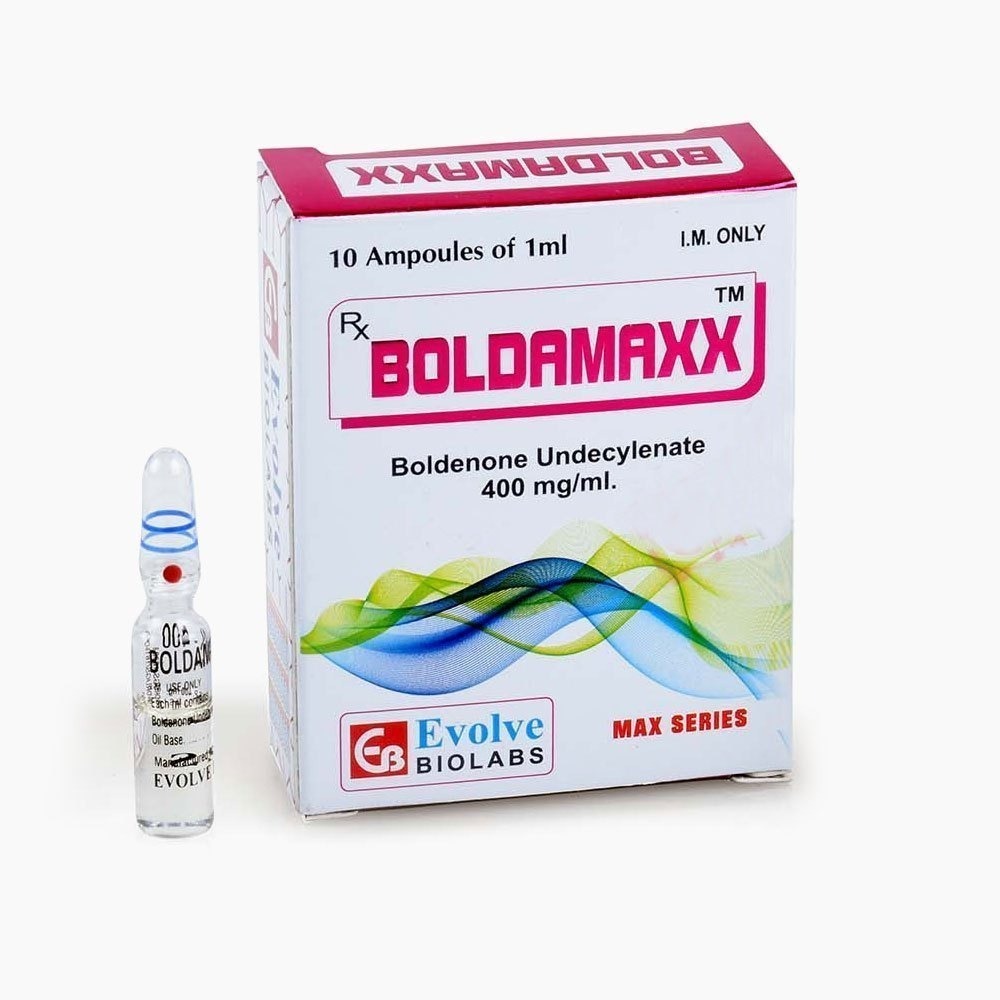
Boldamaxx Boldenone Undecylenate Injection
Price 450.0 INR / Vial
Minimum Order Quantity : 100 Vials
Dosage Form : Injection
Drug Type : Other, Veterinary Injectable Steroid
Origin of Medicine : Veterinary
Quantity : 10 ml
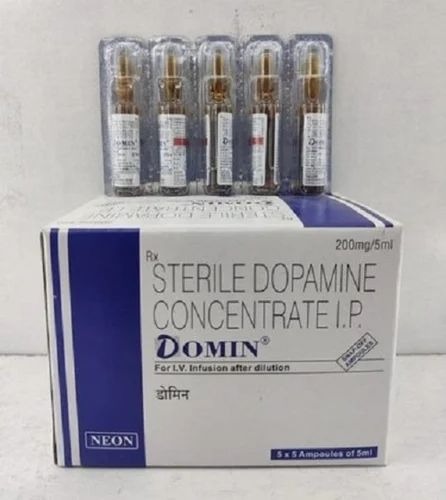
Domin 200mg / 5ml, Dopa-mine Injection
Price 25.0 INR
Minimum Order Quantity : 1000
Dosage Form : Injection
Drug Type : Other, Prescription Only Medicine
Origin of Medicine : Allopathic
Quantity : 5 ml per ampoule
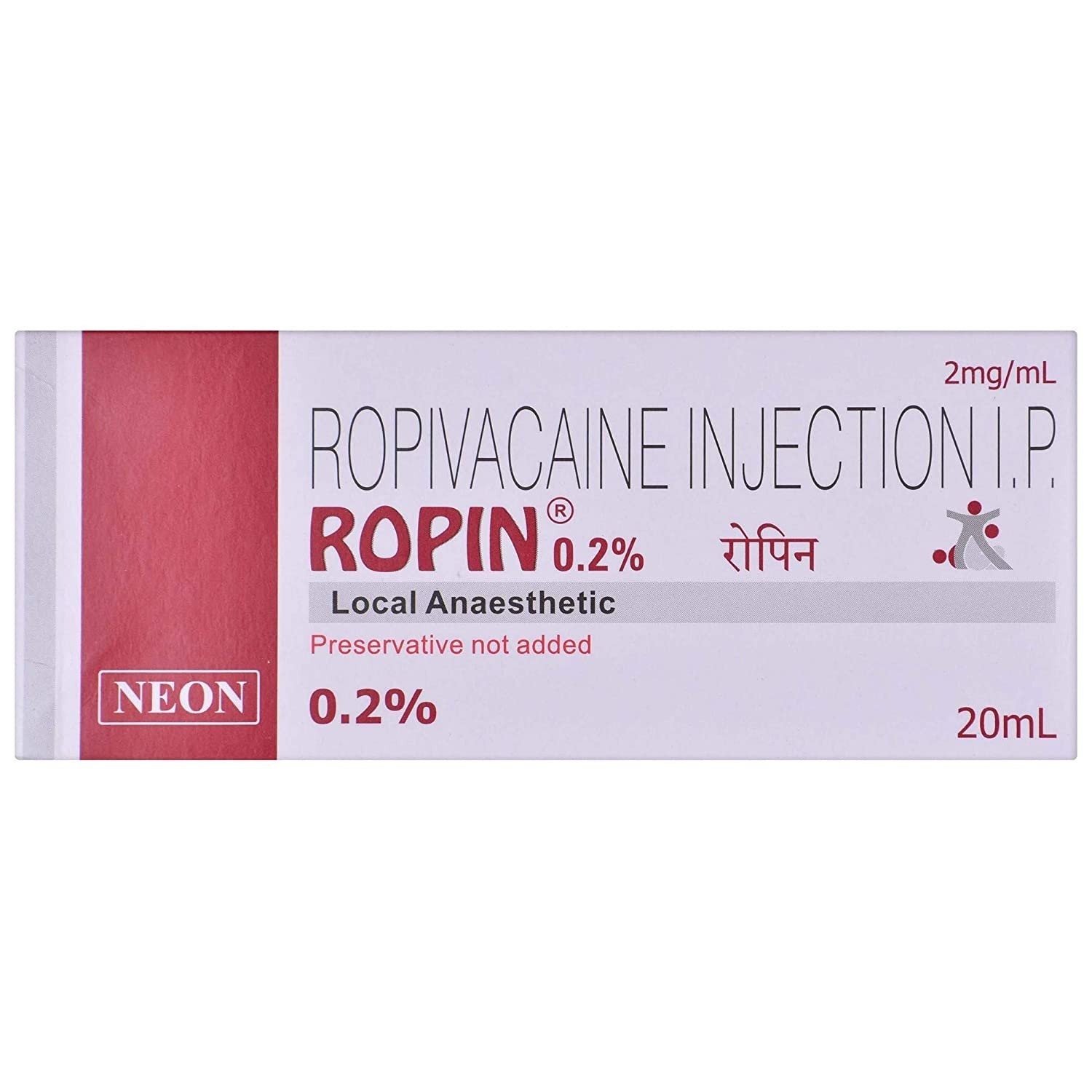
Ropivacaine (Ropin 0.2 % Injection)
Price 190.0 INR
Minimum Order Quantity : 100
Dosage Form : Parenteral (Injection)
Drug Type : Other, Prescription
Origin of Medicine : Allopathic
Quantity : 1 vial
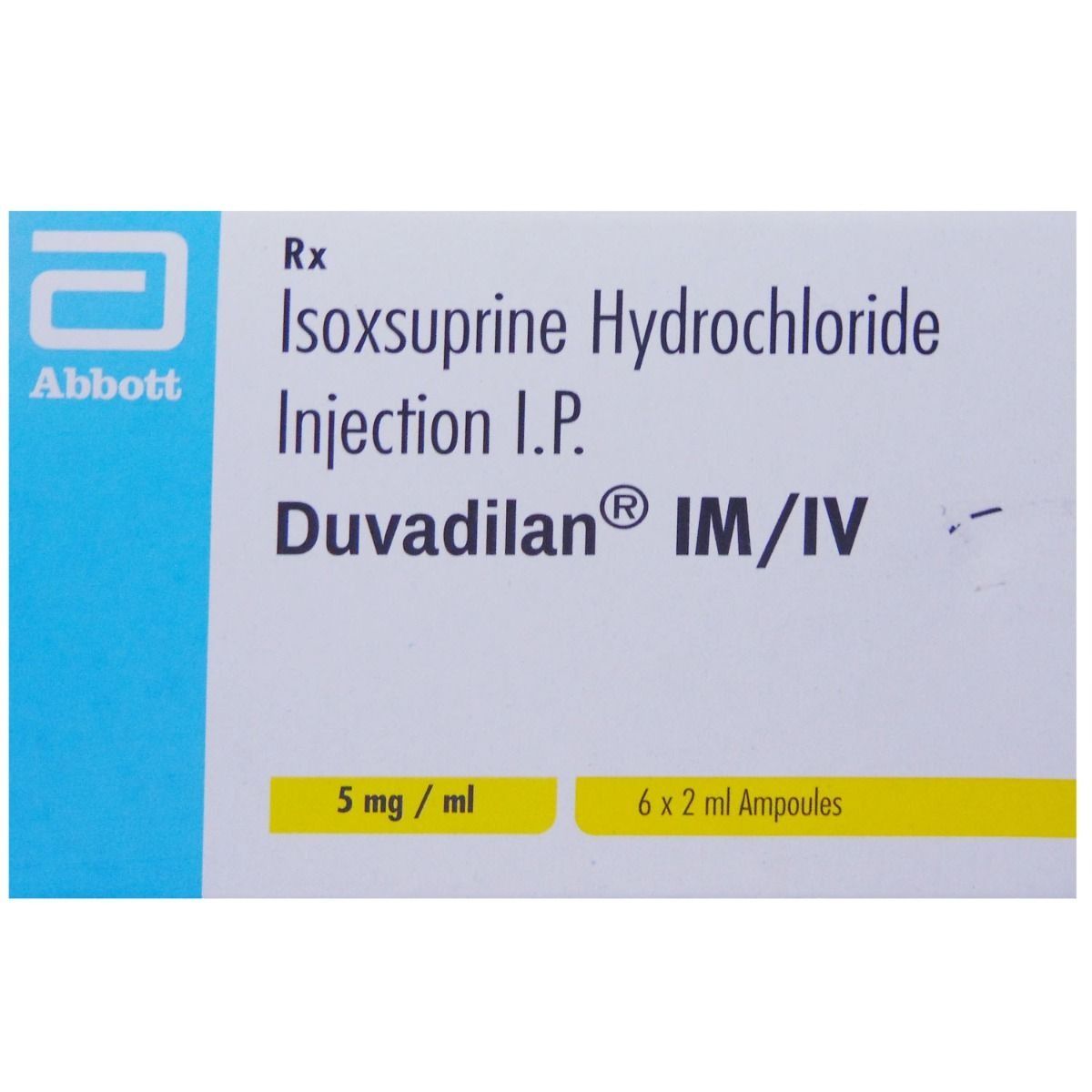
Duvadilan Isoxsuprine Tablets AND INJ
Price 220.0 INR
Minimum Order Quantity : 1000
Dosage Form : Tablet, Injection
Drug Type : Other, Generic
Origin of Medicine : Allopathic
Quantity : Varies per packaging (commonly 25 or 50 tablets per box, ampoules for INJ)

We Mainly Deal in International Market

 Send Inquiry
Our Products
- Pharmaceutical Injection
- Pharmaceutical Tablets
- Active Pharmaceutical Ingredients
- Organic Peanuts
- Rice
- Frozen Vegetables
- Fresh Fruits
- Animal Feed
- Indian Spices
- Beans
- Cooking Oil
- Fresh Vegetables
- Grain And Cereals
- Fertilizers
- Textile Chemicals
- Dairy Food
- Fruits Pulp
- Flour
- Pearl Millet
- Corn
- Bentonite Granules
- Pharmaceutical Capsules
- Pharmaceutical Cream And Lotion
- Pharmaceutical Syrup
- Pharmaceutical Eye/Ear Drops
- Anticancer (Oncology) Medicine
- Anti HIV
- Pharmaceutical Chemical
- Veterinary
- Ayurvedic
- Nutraceuticals
- Surgical

418, Sky View, Sarthana Kamrej Main Road, Sarthana, Surat - 395006, Gujarat, India

Mr Piyush Patel
(Owner)
Mobile :08045817028
 Send Inquiry
 Send SMS
Developed and Managed by Infocom Network Private Limited.
