
Call us now :08045817028
 Send Inquiry
 Send Inquiry
Montelukast Sodium Api Powder
Price 35500.0 INR/ Piece
MOQ : 20 Pieces
Montelukast Sodium Api Powder Specification
- Melting Point
- 110-115C
- Solubility
- Practically insoluble in water, freely soluble in ethanol and methanol
- Particle Size
- D90 < 20 microns
- Structural Formula
- Available on request
- Taste
- Not determined
- Heavy Metal (%)
- Not more than 0.001%
- HS Code
- 29420090
- Loss on Drying
- Not more than 0.5%
- Smell
- Odorless
- Molecular Formula
- C35H35ClNNaO3S
- Boiling point
- Not applicable (decomposes)
- Molecular Weight
- 608.17 g/mol
- Color
- White to off-white
- EINECS No
- None assigned
- Poisonous
- Non-poisonous
- Ph Level
- 7.0 - 9.0 (1% solution)
- Shelf Life
- 2 years
- Storage
- Store below 25C in a tightly closed container, protected from light and moisture
- Medicine Name
- Montelukast Sodium Api Powder
- Chemical Name
- Montelukast Sodium
- CAS No
- 151767-02-1
- Type
- Active Pharmaceutical Ingredient (API)
- Grade
- Pharmaceutical Grade
- Usage
- Used as an anti-asthmatic and anti-allergic agent
- Purity(%)
- 99%
- Appearance
- White to off-white powder
- Physical Form
- Powder
- Identification
- By IR and HPLC
- Stability
- Stable under recommended storage conditions
- Related Substances
- Total impurities not more than 1.0%
- Residual Solvents
- Complies with ICH guidelines
- Packaging
- Double LDPE bags inside HDPE drums
- Microbial Limit
- Total aerobic microbial count NMT 1000 cfu/g; Total yeast and mold count NMT 100 cfu/g; E. coli and Salmonella absent
- Optical Rotation
- Not more than -3.0°
- Assay
- 98.0% - 102.0% (on dried basis)
Montelukast Sodium Api Powder Trade Information
- Minimum Order Quantity
- 20 Pieces
- Supply Ability
- 100 Pieces Per Day
- Delivery Time
- 7 Days
- Sample Available
- No
- Sample Policy
- Contact us for information regarding our sample policy
About Montelukast Sodium Api Powder
| Grade Standard |
|
| Grade |
|
| Packaging |
|
| CAS Number |
|
| Purity |
|
| Usage/Application |
|
| Molecular Weight |
|
| Chemical Formula |
|
| Minimum Order Quantity |
|
Product Specification
Product DescriptionGrade -ip/bp/uspi i i i
make-i morepen , medicarei
ready stocki
All documents will be providedi
| Grade Standard | IP |
| Grade | Pharma Grade |
| Packaging | 25Kg Drum |
| Purity | 90%-95% |
| Usage/Application | Pharmaceutical |
make-i morepen , medicarei
ready stocki
All documents will be providedi
High Purity and Stringent Quality Control
Montelukast Sodium API Powder offers unmatched quality, boasting 98.0% to 102.0% assay and a total impurity threshold of less than 1.0%. Manufactured with a strict focus on safety, it aligns with ICH guidelines for residual solvents, possesses extremely low heavy metal content (0.001%), and maintains compliance with rigorous microbial limits. Each batch is rigorously tested by IR and HPLC to ensure consistent identity and purity.
Secure Packaging and Stable Storage
Delivered in double-layer LDPE bags housed within HDPE drums, Montelukast Sodium API Powder is protected from moisture and light. Best stored below 25C in tightly closed containers, it remains stable for up to two years. This robust packaging preserves the powder's pharmaceutical-grade integrity throughout shipping and storage, making it an ideal choice for global importers, exporters, manufacturers, and suppliers.
Pharmaceutical Versatility and Usage
The API's excellent physical and chemical characteristics-such as D90 < 20 microns particle size and pH 7.0-9.0 (1% solution)-facilitate its use across diverse anti-asthmatic and anti-allergic formulations. Its high solubility in ethanol and methanol ensures efficient formulation processes, while its certified purity supports reliable and effective therapeutics in the pharmaceutical market.
FAQ's of Montelukast Sodium Api Powder:
Q: How is Montelukast Sodium API Powder identified and tested for quality?
A: Montelukast Sodium API Powder is identified using Infrared Spectroscopy (IR) and High Performance Liquid Chromatography (HPLC). Each batch undergoes rigorous quality testing, including assay (98.0%-102.0%), impurity profiling, residual solvent analysis (as per ICH guidelines), and strict microbial limit testing to ensure its pharmaceutical-grade quality.Q: What are the main benefits of using Montelukast Sodium API Powder?
A: Montelukast Sodium API Powder offers high purity (99%), stringent impurity control, stability, and compliance with international standards. Its excellent safety profile and pharmaceutical grade make it ideal for the manufacture of anti-asthmatic and anti-allergic medications that require reliable and consistent performance.Q: When should Montelukast Sodium API Powder be used in the manufacturing process?
A: This API should be incorporated during the active ingredient phase of pharmaceutical formulation, where high purity and consistent physical properties are crucial. Formulators typically use it for oral dosage forms, taking advantage of its stability and solubility profile to ensure dosage accuracy and therapeutic effectiveness.Q: Where is Montelukast Sodium API Powder produced and what packaging ensures its quality?
A: This product is manufactured in India and supplied globally. It is packaged securely in double-layer LDPE bags placed inside HDPE drums, protecting the powder from light and moisture, and maintaining its stability during transit and storage.Q: What are the recommended storage conditions and shelf life for Montelukast Sodium API Powder?
A: It is advised to store the powder below 25C in a tightly closed container, protected from light and moisture. Under these recommended conditions, the shelf life of Montelukast Sodium API Powder is up to two years.Q: How is the microbial safety of Montelukast Sodium API Powder maintained?
A: The powder adheres to strict microbial limits: total aerobic count less than 1000 cfu/g, yeast and molds below 100 cfu/g, and absence of harmful bacteria such as E. coli and Salmonella. These standards are regularly tested to ensure microbiological safety for pharmaceutical applications.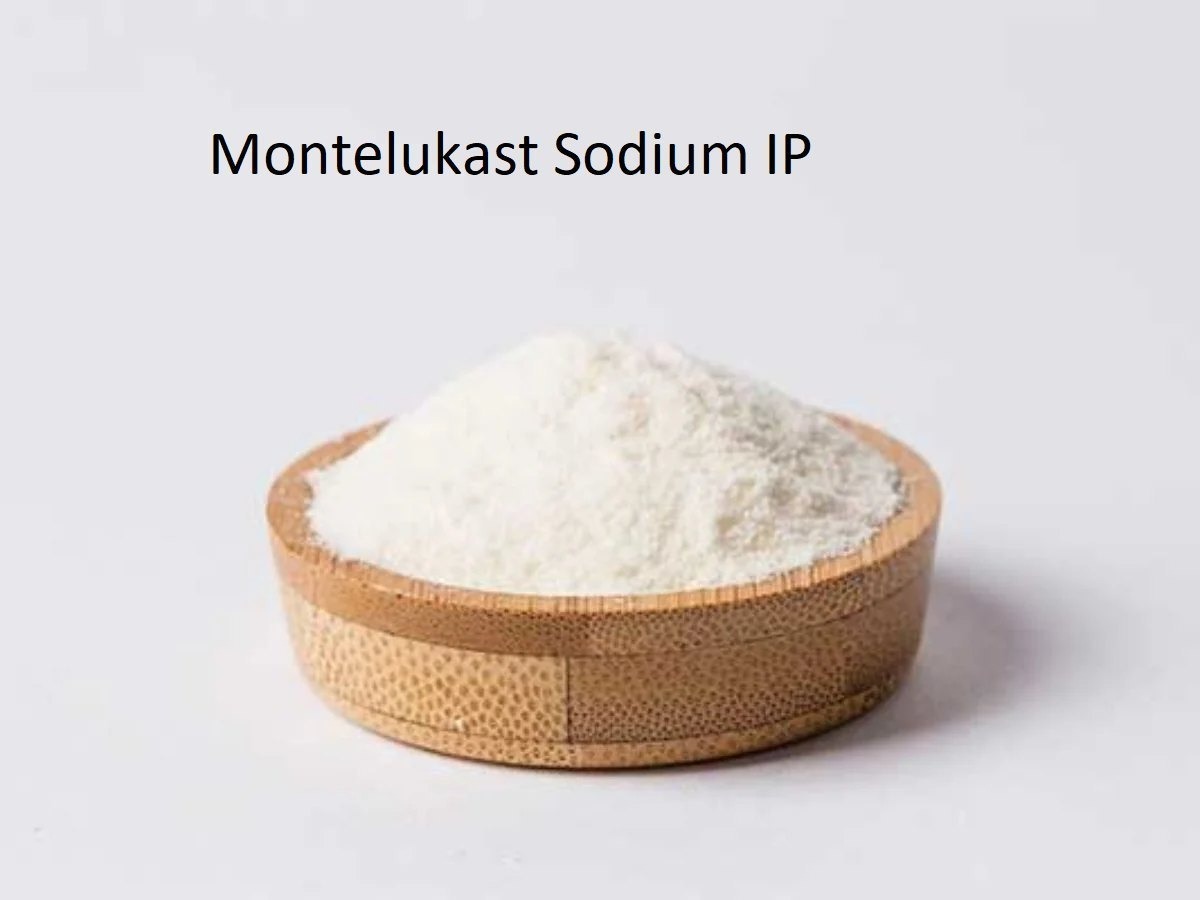
Tell us about your requirement

Price:
Quantity
Select Unit
- 50
- 100
- 200
- 250
- 500
- 1000+
Additional detail
Mobile number
Email

More Products in Active Pharmaceutical Ingredients Category
Fluconazole Powder API
Price 9000.0 INR / Piece
Minimum Order Quantity : 100 Pieces
Heavy Metal (%) : NMT 0.001%
HS Code : 29420090
Loss on Drying : 0.5% max
Melting Point : 138140C
Gentamicin Sulphate Powder
Price 1000.0 INR / Kilograms
Minimum Order Quantity : 1000 Kilograms
Heavy Metal (%) : 0.002%
HS Code : 29419090
Loss on Drying : 8%
Melting Point : Not less than 218C (decomposes)
Nimusulide API
Price 500.0 INR / Kilograms
Minimum Order Quantity : 1000 Kilograms
Heavy Metal (%) : Not more than 0.001%
HS Code : 2924
Loss on Drying : Not more than 0.5%
Melting Point : 152156C
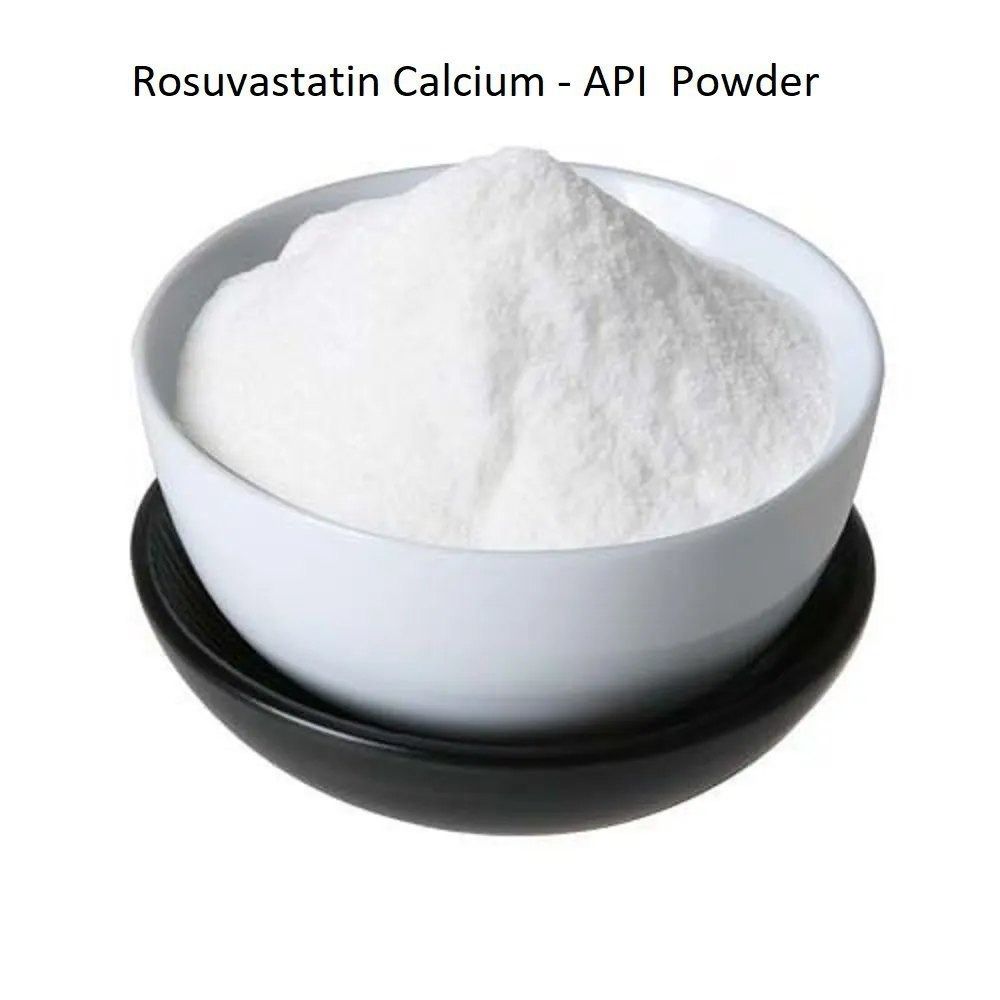
Rosuvastatin Calcium API
Price 21000.0 INR / Kilograms
Minimum Order Quantity : 100 Kilograms
Heavy Metal (%) : Not more than 0.001%
HS Code : 29420090
Loss on Drying : Not more than 0.5%
Melting Point : >180 C (decomposition)

We Mainly Deal in International Market

 Send Inquiry
Our Products
- Pharmaceutical Injection
- Pharmaceutical Tablets
- Active Pharmaceutical Ingredients
- Organic Peanuts
- Rice
- Frozen Vegetables
- Fresh Fruits
- Animal Feed
- Indian Spices
- Beans
- Cooking Oil
- Fresh Vegetables
- Grain And Cereals
- Fertilizers
- Textile Chemicals
- Dairy Food
- Fruits Pulp
- Flour
- Pearl Millet
- Corn
- Bentonite Granules
- Pharmaceutical Capsules
- Pharmaceutical Cream And Lotion
- Pharmaceutical Syrup
- Pharmaceutical Eye/Ear Drops
- Anticancer (Oncology) Medicine
- Anti HIV
- Pharmaceutical Chemical
- Veterinary
- Ayurvedic
- Nutraceuticals
- Surgical

418, Sky View, Sarthana Kamrej Main Road, Sarthana, Surat - 395006, Gujarat, India

Mr Piyush Patel
(Owner)
Mobile :08045817028
 Send Inquiry
 Send SMS
Developed and Managed by Infocom Network Private Limited.
