
Call us now :08045817028
 Send Inquiry
 Send Inquiry
Phenytoin 50mg/2ml Injection (Eptoin)
Phenytoin 50mg/2ml Injection (Eptoin) Specification
- Salt Composition
- Phenytoin Sodium 50mg/2ml
- Indication
- Control of status epilepticus, prevention and treatment of seizures during or after brain surgery
- Dosage Form
- Injection
- Origin of Medicine
- Allopathic
- Pacakaging (Quantity Per Box)
- 5 x 2ml ampoules per box
- Drug Type
- Prescription only
- Ingredients
- Phenytoin Sodium
- Physical Form
- Injectable Solution
- Function
- Anticonvulsant, anti-epileptic
- Recommended For
- Seizure management, prevention and treatment of convulsions during or following neurosurgery
- Dosage
- 50mg per 2ml ampoule; dosage as per physicians prescription
- Dosage Guidelines
- Administer slowly intravenously, not exceeding 50mg/minute; follow physicians advice
- Suitable For
- Adults and pediatric patients as directed by physician
- Quantity
- 2 ml per ampoule
- Storage Instructions
- Store below 25C, protect from light, do not freeze
- Shelf Life
- 36 months from the date of manufacture
- Contraindications
- Known hypersensitivity to phenytoin or hydantoins
- Regulatory Status
- Schedule H (Rx only, to be sold by retail on the prescription of a registered medical practitioner only)
- Warning
- For intravenous use only; to be administered by trained healthcare professionals
- Side Effects
- May cause hypotension, cardiac arrhythmias, local venous irritation, rash, dizziness
- Route of Administration
- Intravenous
- Brand Name
- Eptoin
- Appearance
- Clear colorless solution
Phenytoin 50mg/2ml Injection (Eptoin) Trade Information
- Supply Ability
- 1000 Per Day
- Delivery Time
- 7 Days
- Sample Available
- No
- Sample Policy
- If order is confirmed we will reimburse the sample cost
About Phenytoin 50mg/2ml Injection (Eptoin)
| Form |
|
| Composition |
|
| Manufacturer |
|
| Packaging Size |
|
| Prescription/Non prescription |
|
| Strength |
|
| Brand |
|
| Manufactured By |
|
| Country of Origin |
|
Rapid Seizure Management
Eptoin Injection offers rapid control of seizures, particularly in emergency settings such as status epilepticus or following neurosurgery. Intravenous administration ensures swift therapeutic effect, making it an essential medicine in acute care situations. Its proven efficacy makes it a valuable tool for healthcare providers managing convulsive disorders.
Safe and Controlled Administration
Eptoin is formulated for intravenous use and should only be administered by trained healthcare professionals. Appropriate monitoring of dose and infusion rate (not exceeding 50mg/minute) is critical to minimizing risks such as cardiac arrhythmias and hypotension, while maximizing the benefit of controlling life-threatening seizures.
Quality and Reliability
Manufactured in India to meet allopathic standards, Eptoin is available in convenient 2ml ampoules, with each box containing five ampoules. It retains stability for up to 36 months when stored correctly, ensuring readiness and efficacy whenever required. The clear, colorless solution allows for easy inspection prior to administration.
FAQ's of Phenytoin 50mg/2ml Injection (Eptoin):
Q: How is Eptoin 50mg/2ml Injection administered?
A: Eptoin Injection is given intravenously by a healthcare professional. It must be administered slowly, not exceeding 50mg per minute, to minimize side effects and achieve effective seizure control.Q: What is the main benefit of using Eptoin Injection?
A: The key benefit of Eptoin Injection is its rapid action in controlling seizures, including status epilepticus and convulsions during or after neurosurgical procedures, helping to stabilize patients quickly in acute settings.Q: When is Eptoin Injection typically recommended?
A: It is recommended for the management of status epilepticus, and for the prevention and treatment of seizures during or after brain surgery, as directed by a physician.Q: What precautions should be followed when storing Eptoin Injection?
A: Eptoin should be stored below 25C, protected from light, and should not be frozen. Proper storage is important to maintain the effectiveness and stability of the medication.Q: Who should avoid using Eptoin Injection?
A: Eptoin Injection should not be used by individuals known to be hypersensitive to phenytoin or other hydantoin derivatives, as serious allergic reactions may occur.Q: What side effects might occur during Eptoin administration?
A: Possible side effects include hypotension, cardiac arrhythmias, local venous irritation, rash, and dizziness. Monitoring by trained personnel is crucial, especially during infusion.Q: Where can Eptoin Injection be obtained?
A: Eptoin Injection is classified as a Schedule H prescription drug and can be obtained from pharmacies only with a registered medical practitioner's prescription.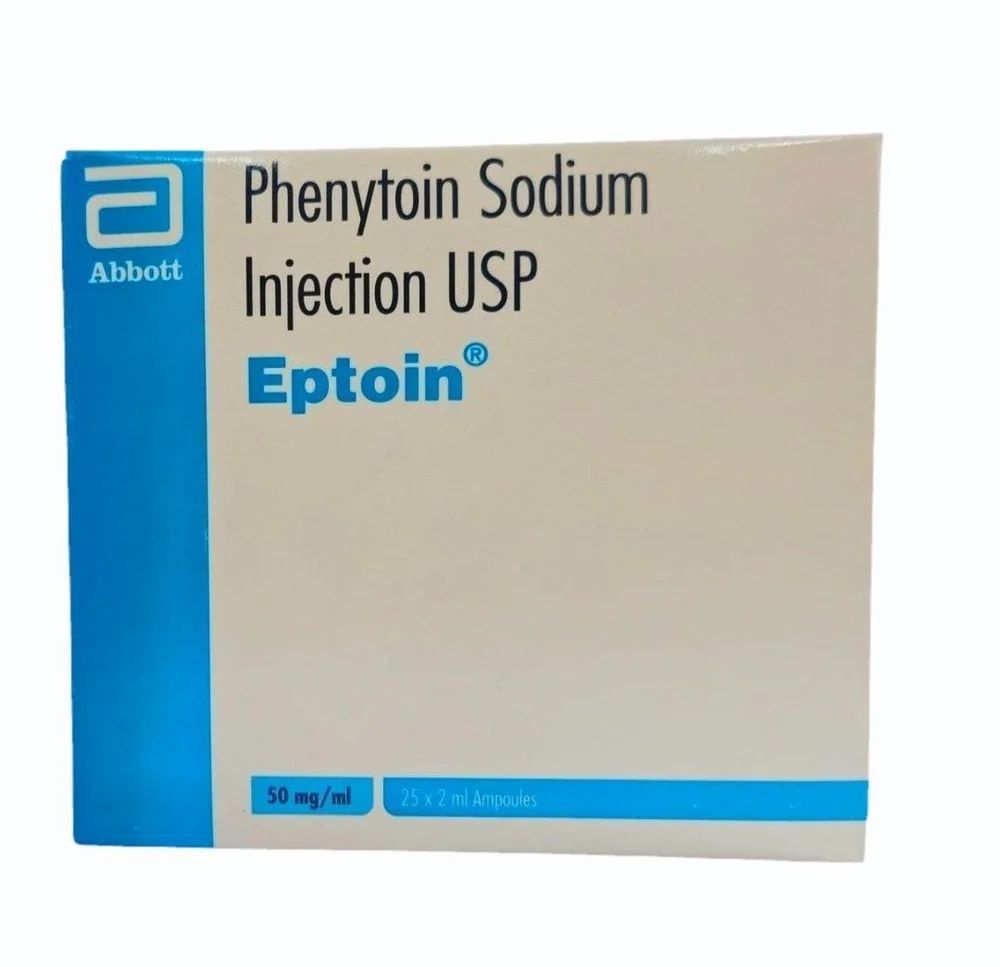
Tell us about your requirement

Price:
Quantity
Select Unit
- 50
- 100
- 200
- 250
- 500
- 1000+
Additional detail
Mobile number
Email

More Products in Pharmaceutical Injection Category
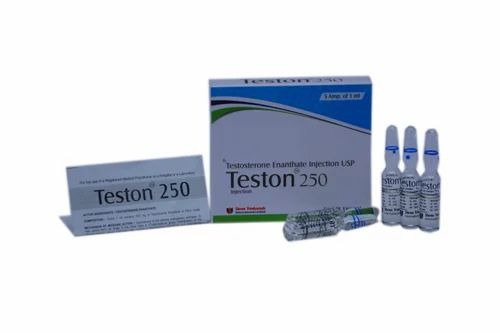
Teston 250 Mg Testo-sterone Enanthate Testo-viron Depot 250
Price 1600.0 INR
Minimum Order Quantity : 20
Indication : Low testosterone levels, delayed puberty, hormone therapy in men
Salt Composition : Testosterone Enanthate
Storage Instructions : Store below 30C, protect from light and moisture
Function : Other, Hormone replacement, anabolic support
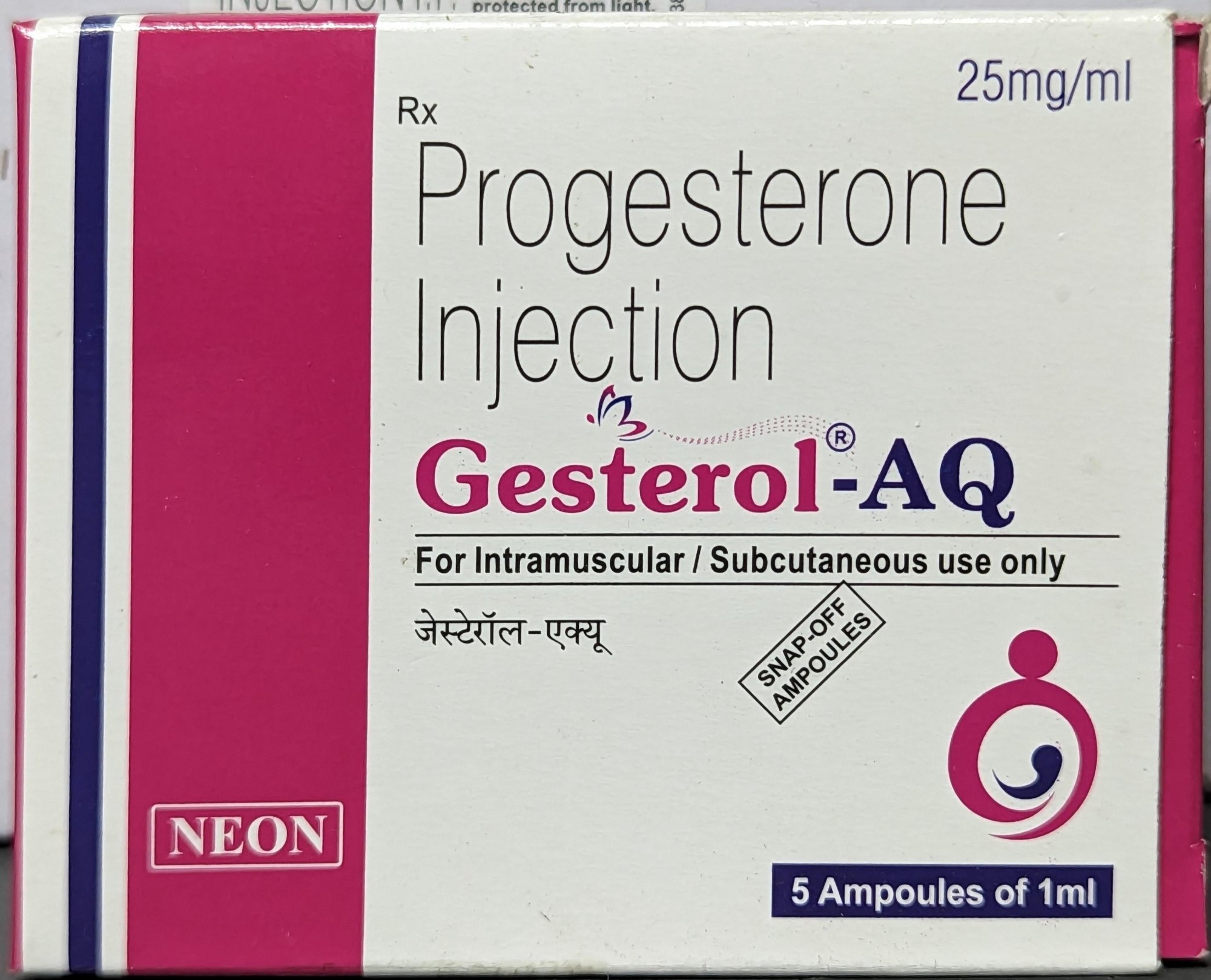
Progesterone AQ (25mg/1ml)
Price 160.0 INR
Minimum Order Quantity : 100
Indication : Prevention of threatened abortion, Hormonal imbalance, Infertility treatment, Pregnancy support
Salt Composition : Progesterone 25 mg in 1 ml
Storage Instructions : Store below 25C, protect from light and moisture
Function : Other, Supports pregnancy, Treatment of menstrual disorders, Hormone replacement therapy
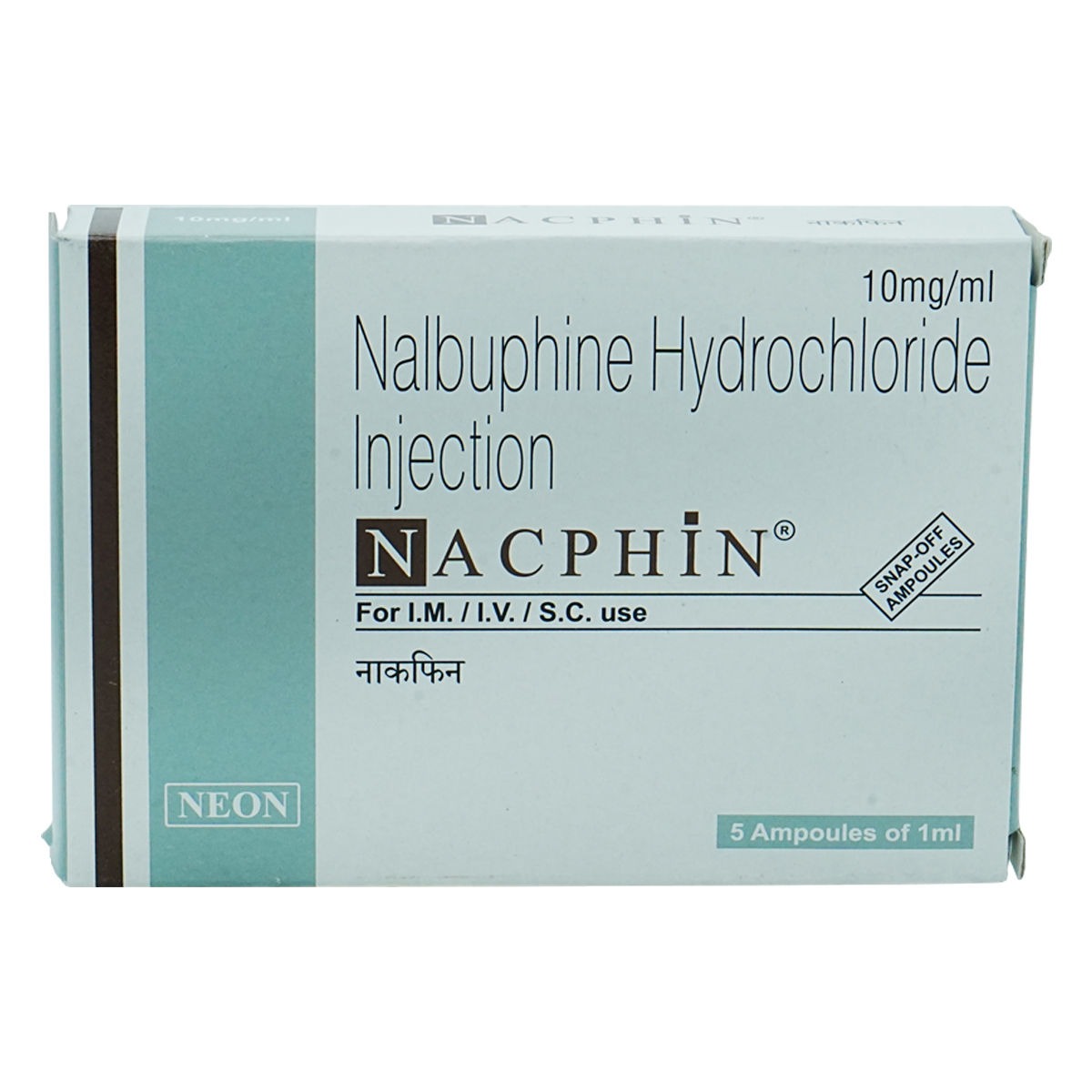
Nacphin Nal-buphine Injection
Price 70.0 INR
Minimum Order Quantity : 100
Indication : Moderate to severe pain, postoperative pain, labor pain
Salt Composition : Nalbuphine Hydrochloride 10 mg/ml
Storage Instructions : Store in a cool, dry place below 25C and protect from direct sunlight
Function : Other, Analgesic, opioid pain relief
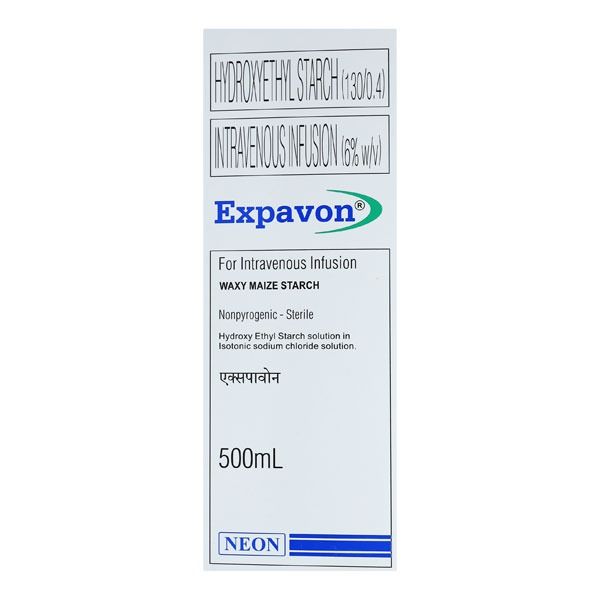
Neon Expavon Infusion, (Hydroxyethyl Starch)
Price 720.0 INR
Minimum Order Quantity : 1000
Indication : Hypovolemia, shock, plasma volume replacement
Salt Composition : Hydroxyethyl Starch + Sodium Chloride
Storage Instructions : Store below 25C. Protect from light. Do not freeze.
Function : Other, Plasma volume expander

We Mainly Deal in International Market

 Send Inquiry
Our Products
- Pharmaceutical Injection
- Pharmaceutical Tablets
- Active Pharmaceutical Ingredients
- Organic Peanuts
- Rice
- Frozen Vegetables
- Fresh Fruits
- Animal Feed
- Indian Spices
- Beans
- Cooking Oil
- Fresh Vegetables
- Grain And Cereals
- Fertilizers
- Textile Chemicals
- Dairy Food
- Fruits Pulp
- Flour
- Pearl Millet
- Corn
- Bentonite Granules
- Pharmaceutical Capsules
- Pharmaceutical Cream And Lotion
- Pharmaceutical Syrup
- Pharmaceutical Eye/Ear Drops
- Anticancer (Oncology) Medicine
- Anti HIV
- Pharmaceutical Chemical
- Veterinary
- Ayurvedic
- Nutraceuticals
- Surgical

418, Sky View, Sarthana Kamrej Main Road, Sarthana, Surat - 395006, Gujarat, India

Mr Piyush Patel
(Owner)
Mobile :08045817028
 Send Inquiry
 Send SMS
Developed and Managed by Infocom Network Private Limited.
